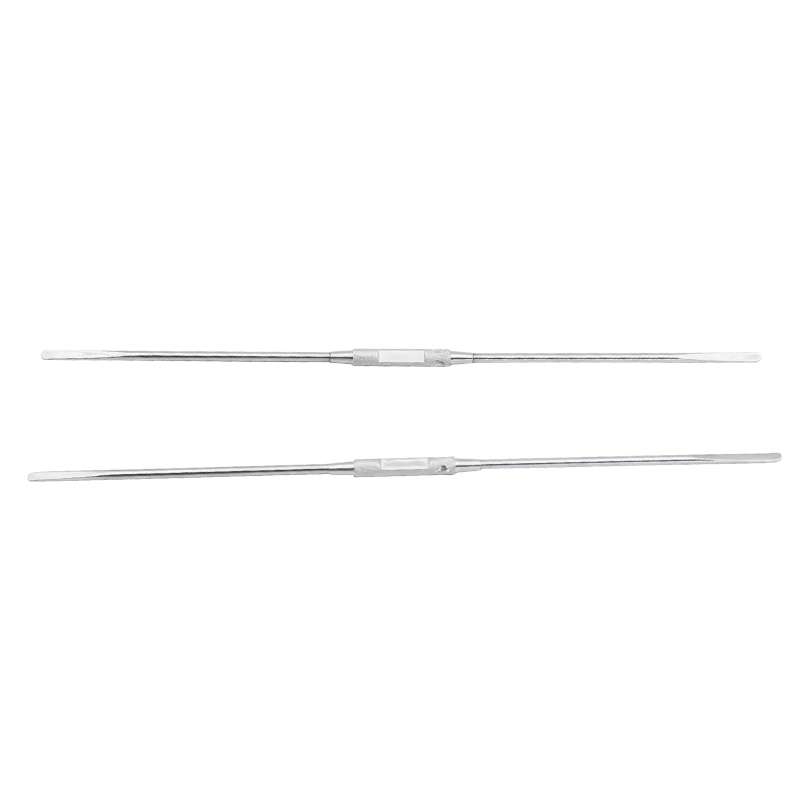
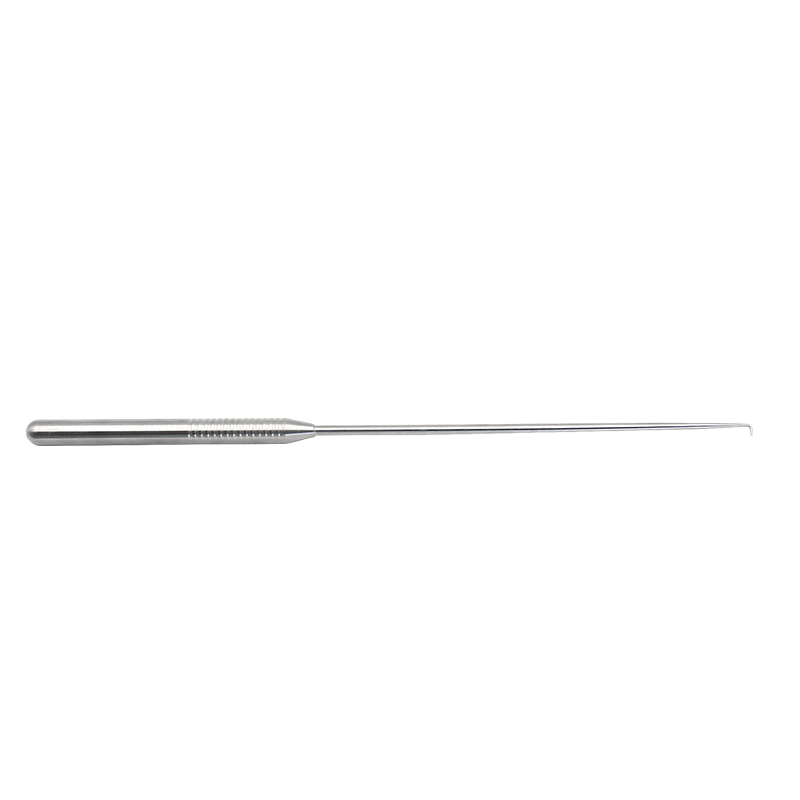
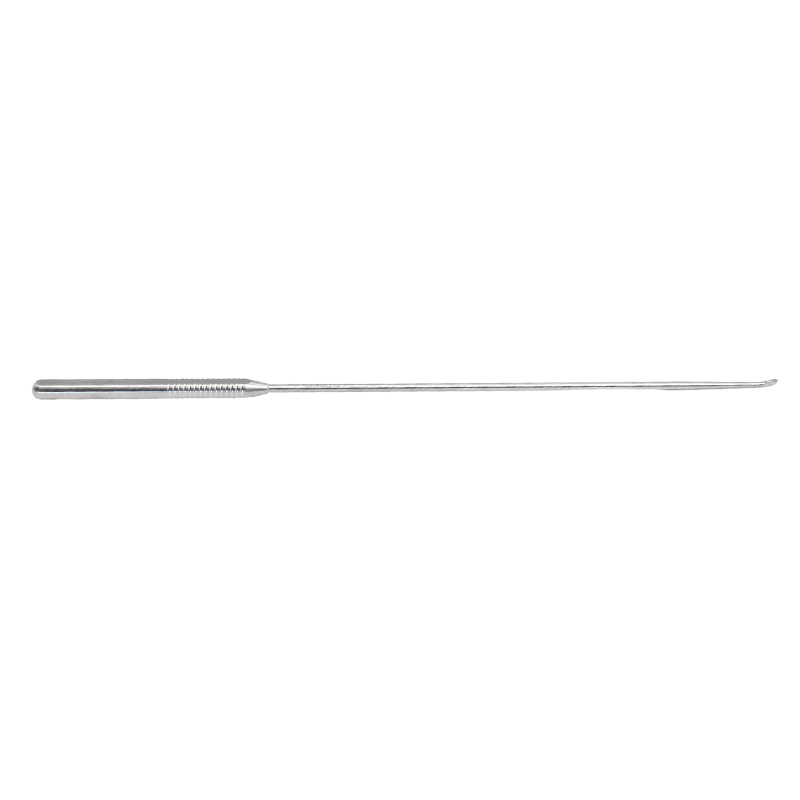
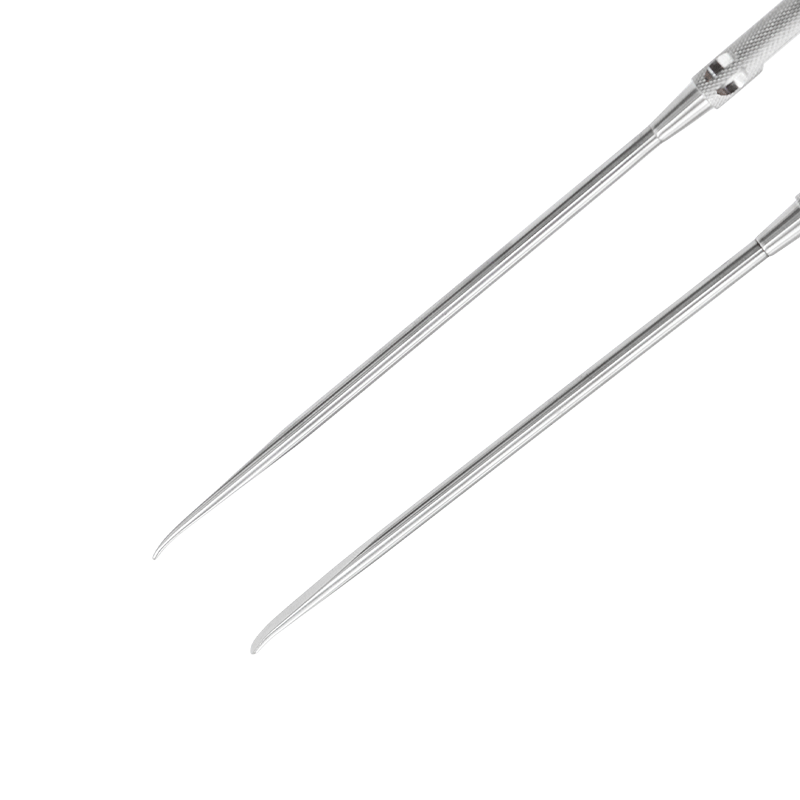
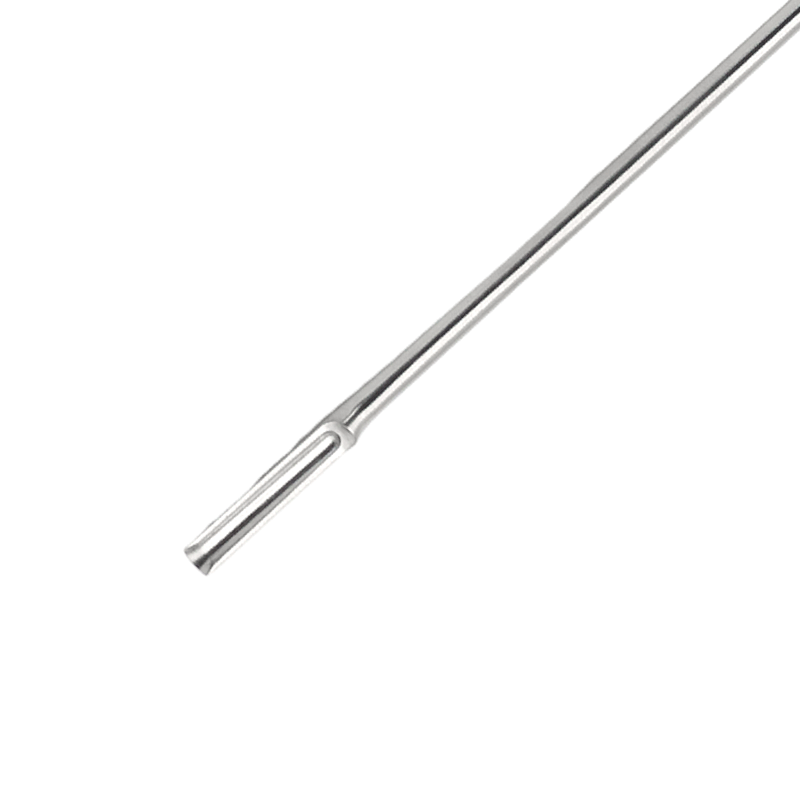
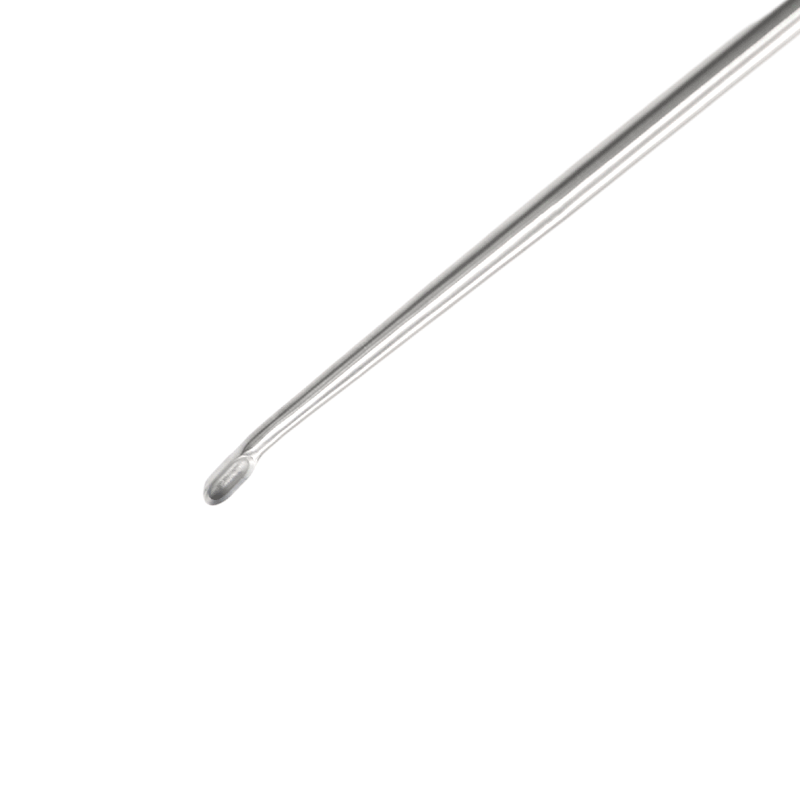
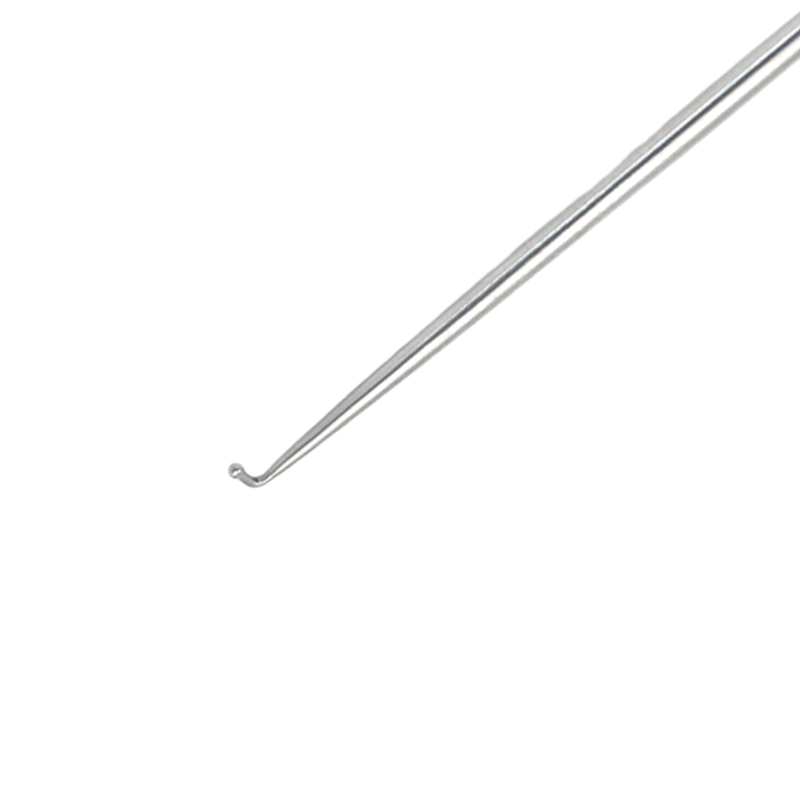
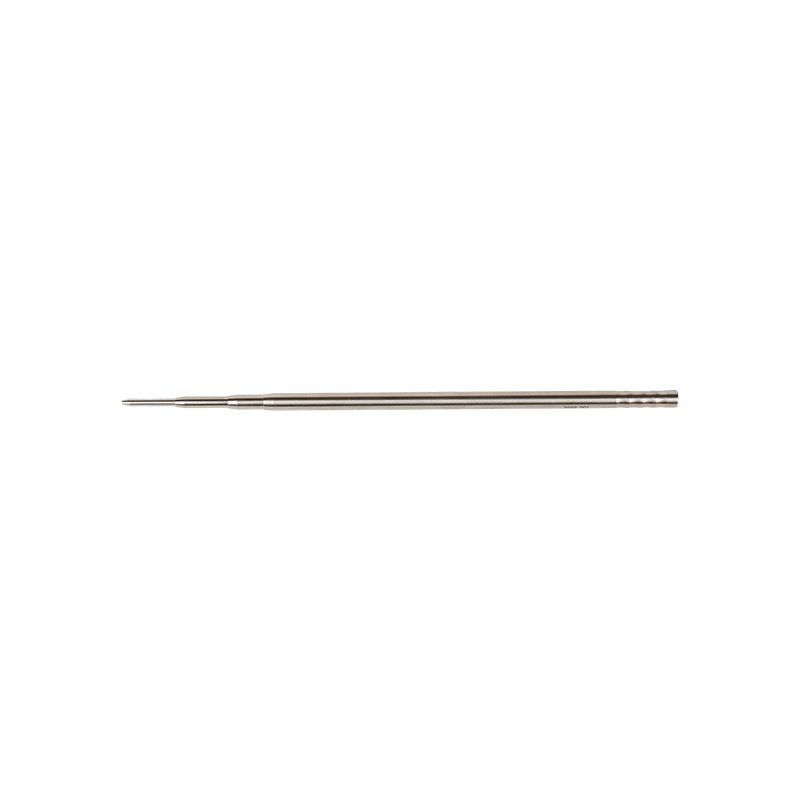
What are the recommended methods for sterilizing curettes, considering their design and materials?
Sterilizing
Surgical Curettes is crucial to prevent the transmission of infections and ensure patient safety during medical procedures. The recommended methods for sterilizing curettes take into account their design, materials, and the need for effective pathogen elimination. Here are common sterilization methods:
Autoclaving:
Process: Autoclaving is a widely used and effective method for sterilizing surgical instruments, including curettes. It involves exposing the instruments to high-pressure saturated steam at elevated temperatures.
Compatibility: Curettes made of heat-resistant materials, such as stainless steel, are well-suited for autoclaving. However, care should be taken to ensure that any plastic or rubber components are autoclave-compatible.
Ethylene Oxide (ETO) Sterilization:
Process: Ethylene oxide is a gas that penetrates materials and kills microorganisms. ETO sterilization is suitable for curettes with components that may be damaged by high heat.
Compatibility: ETO sterilization is generally suitable for a wide range of materials, but it may take longer compared to autoclaving.
Hydrogen Peroxide Gas Plasma Sterilization:
Process: This method uses hydrogen peroxide gas plasma to sterilize instruments. It is a low-temperature process that is compatible with heat-sensitive materials.
Compatibility: Curettes with sensitive components or materials may be compatible with hydrogen peroxide gas plasma sterilization.
Low-Temperature Sterilization Methods:
Process: Techniques such as peracetic acid sterilization and low-temperature steam and formaldehyde (LTSF) sterilization are designed for heat-sensitive instruments.
Compatibility: These methods are suitable for curettes with components that may be damaged by high temperatures.
Chemical Sterilization Solutions:
Process: Immersing curettes in high-level disinfectant solutions, such as glutaraldehyde, can achieve sterilization. However, it is important to follow the recommended contact time and rinse thoroughly.
Compatibility: Some materials may be sensitive to certain chemical solutions, so compatibility should be confirmed.
Sterrad Sterilization:
Process: Sterrad (short for Sterilization using Ethylene Oxide) is a low-temperature hydrogen peroxide gas plasma sterilization method.
Compatibility: Sterrad is suitable for instruments with heat-sensitive components, making it a potential option for curettes.
 English
 عربى
عربى Español