 English
 عربى
عربى Español
Understanding Surgical Curettes and Their Clinical Purpose
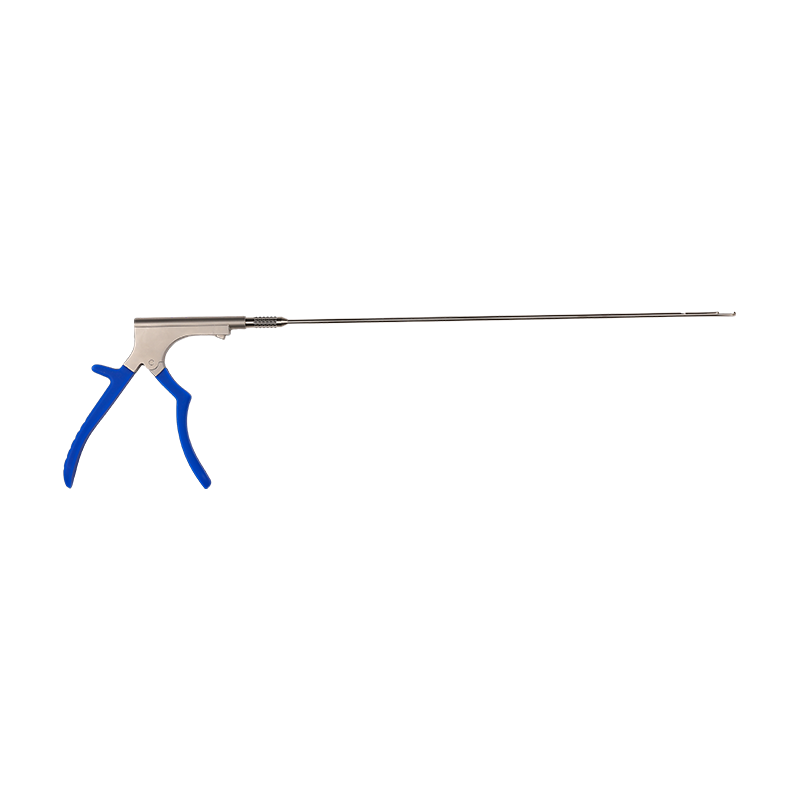
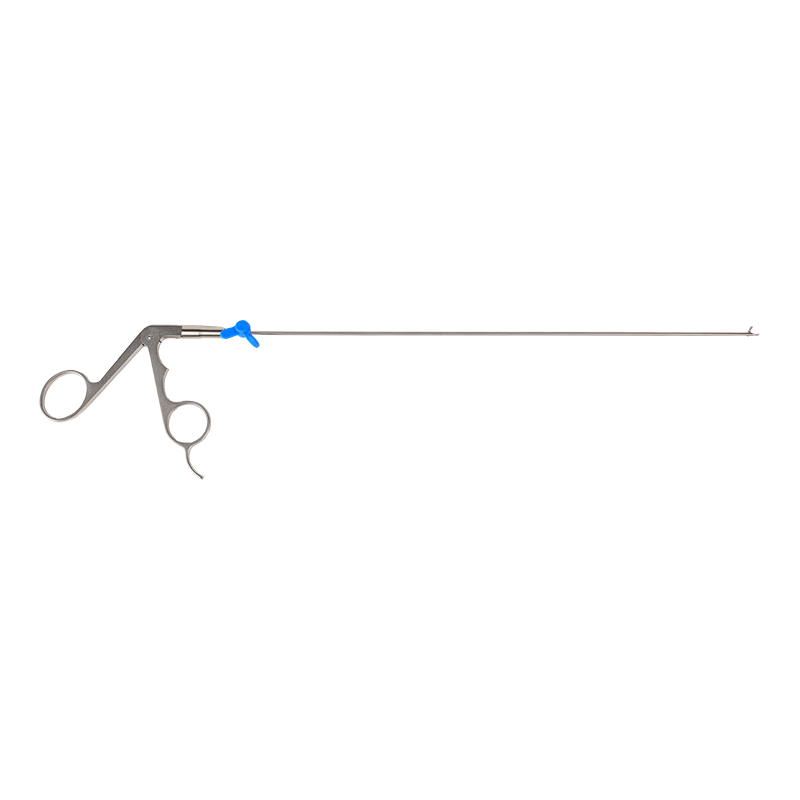
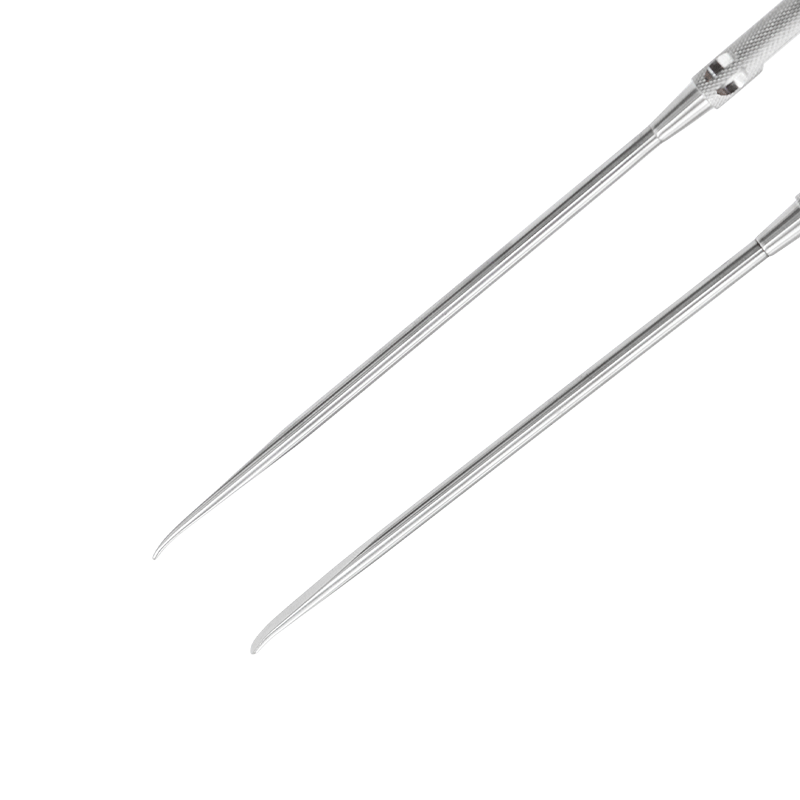
Surgical curettes are precision medical instruments designed for scraping, debriding, or removing biological tissue from bone, cavities, or soft tissue surfaces. They are widely used in orthopedic, dermatologic, gynecologic, dental, and ENT procedures where controlled tissue removal is critical. The defining feature of a curette is its spoon-shaped or looped working end, which allows surgeons to remove tissue with tactile feedback and minimal trauma to surrounding structures.
Unlike cutting instruments such as scalpels, curettes rely on controlled pressure and edge geometry rather than sharp slicing. This makes them especially valuable in procedures requiring precision, such as removing granulation tissue, cleaning bone defects, or excising lesions while preserving healthy tissue.
Key Design Elements That Impact Surgical Performance
The performance of a surgical curette is directly influenced by its structural design. Factors such as tip shape, sharpness, handle ergonomics, and material quality determine both clinical outcomes and surgeon comfort during prolonged procedures.
Tip Geometry and Edge Configuration
Curette tips may be round, oval, cup-shaped, or looped, with either sharp or blunt edges. Sharp curettes are used for aggressive tissue removal or debridement, while blunt curettes are preferred when minimizing tissue trauma is essential. Some procedures require double-ended curettes with different tip sizes to allow seamless transitions during surgery.
Handle Ergonomics and Balance
A well-balanced handle reduces hand fatigue and improves control. Textured or knurled handles enhance grip stability, particularly in procedures involving fluids. Lightweight yet rigid construction ensures precise tactile feedback, which is critical when working near sensitive anatomical structures.
Common Types of Surgical Curettes and Their Applications
Different medical specialties rely on specific curette designs tailored to procedural needs. Understanding these variations helps clinicians select the most effective instrument for each application.
- Bone Curettes: Used in orthopedic and trauma surgery to remove bone fragments, cysts, or necrotic tissue from osseous structures.
- Dermatological Curettes: Commonly applied in skin lesion removal, biopsy procedures, and treatment of superficial growths.
- Gynecological Curettes: Designed for uterine procedures such as diagnostic curettage or removal of retained tissue.
- Dental Curettes: Utilized in periodontal therapy to remove calculus and diseased tissue from tooth surfaces and gum pockets.
Material Selection and Sterilization Considerations
Most surgical curettes are manufactured from high-grade stainless steel to ensure corrosion resistance, strength, and compatibility with repeated sterilization. Premium alloys maintain edge integrity even after multiple autoclave cycles, reducing long-term replacement costs.
Surface finishing also plays a role in hygiene and performance. Polished surfaces minimize tissue adhesion and simplify cleaning, while matte finishes reduce glare under surgical lighting.
Comparison of Curette Types by Clinical Use
| Curette Type | Primary Use | Edge Style |
| Bone Curette | Orthopedic debridement | Sharp |
| Dermal Curette | Skin lesion removal | Sharp or blunt |
| Dental Curette | Periodontal cleaning | Blunt |
Best Practices for Selecting Surgical Curettes
Choosing the right surgical curette involves matching instrument design with procedural requirements. Surgeons should consider tissue type, access depth, required precision, and frequency of use. High-quality curettes improve procedural efficiency, reduce fatigue, and contribute to better patient outcomes.
For hospitals and clinics, investing in a comprehensive set with multiple sizes and tip configurations ensures readiness for diverse clinical scenarios while maintaining consistency in surgical technique.