 English
 عربى
عربى Español
The Evolution and Mechanics of Rigid vs. Flexible Endoscopes
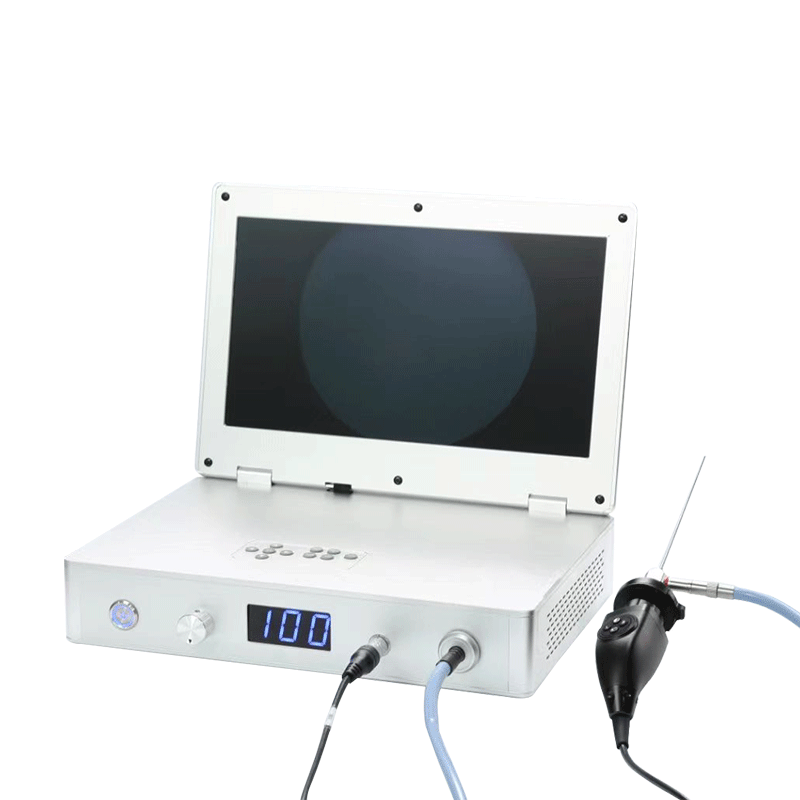
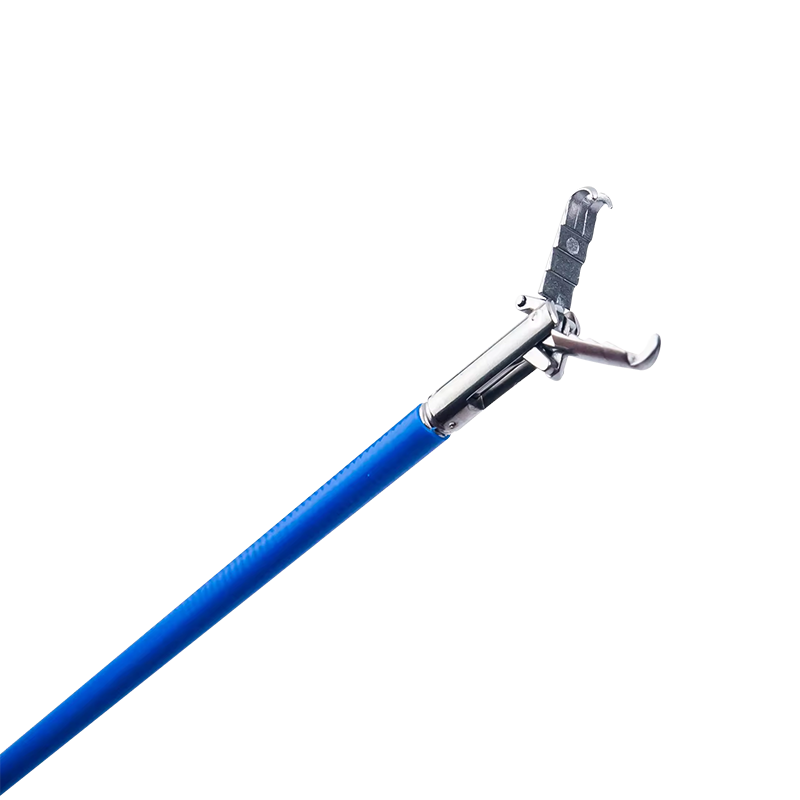
Endoscopic surgery relies heavily on the visualization tool, which serves as the surgeon's eyes within the body. Rigid endoscopes, typically constructed with high-grade stainless steel and a series of glass lenses, are used primarily in procedures like laparoscopy or arthroscopy where a straight path to the surgical site is available. These offer high-resolution, undistorted images. Conversely, flexible endoscopes utilize fiber optics or CMOS sensors at the tip to navigate the anatomical curves of the gastrointestinal or respiratory tracts. The choice between these instruments dictates the specific hand tools required, as the working channels of a flexible scope are significantly narrower and require more specialized, wire-guided accessories.
Key Optical Components
The clarity of an endoscopic procedure is determined by the light transmission system. Modern instruments integrate fiber-optic light bundles that provide "cold light" to prevent thermal damage to internal tissues. Many high-end systems now utilize 4K resolution cameras and Narrow Band Imaging (NBI) filters, which enhance the visualization of vascular structures and mucosal patterns, allowing for more precise tumor margin identification during resection.
Core Classification of Endoscopic Hand Instruments
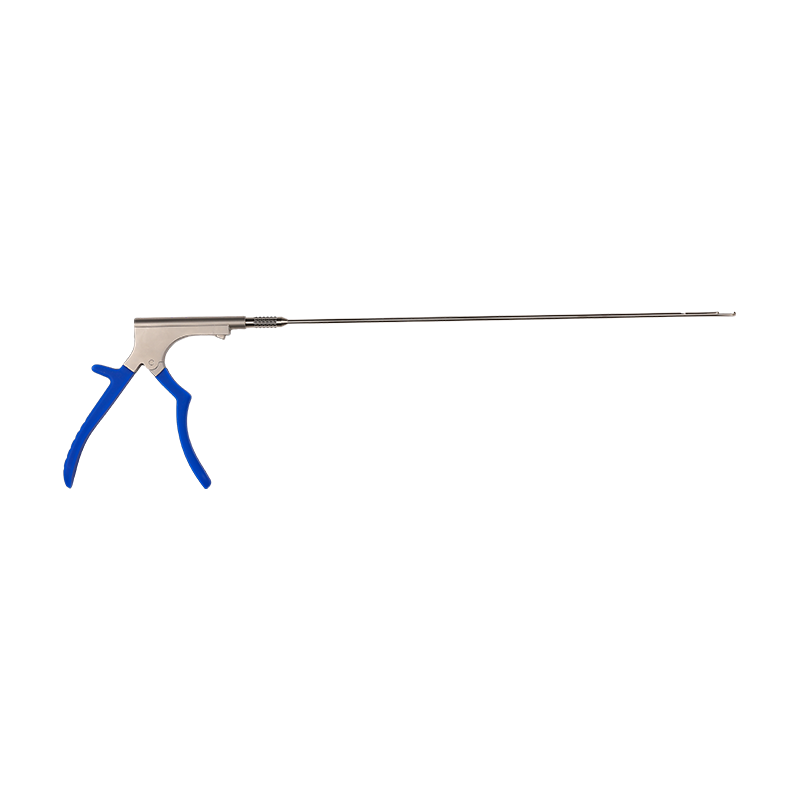
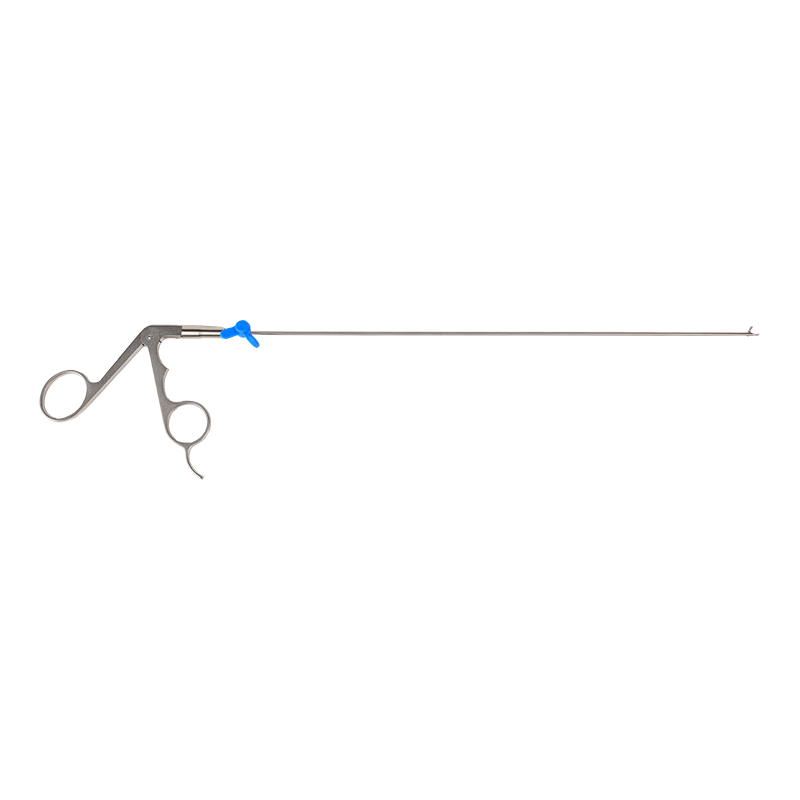
Hand instruments in endoscopic surgery are designed to mimic the dexterity of a surgeon's hand through a port as small as 3mm to 10mm. These medical endoscopic surgical instruments are generally composed of three main parts: an ergonomic handle, an insulated shaft, and a functional tip. The tip's "end-effector" determines the instrument's role, ranging from grasping and cutting to cauterizing. Because the tactile feedback is reduced in minimally invasive surgery, the mechanical quality of the hinges and the tension of the pull-wire systems are critical for safety and precision.
| Instrument Category | Common Examples | Primary Surgical Function |
| Grasping & Dissecting | Maryland Dissector, Babcock Grasper | Tissue retraction and blunt separation |
| Cutting & Resecting | Metzenbaum Scissors, Hook Scissors | Sharp division of ligaments or vessels |
| Hemostasis | Bipolar Forceps, L-Hook Electrocautery | Vessel sealing and thermal dissection |
| Access Devices | Trocars, Veress Needles | Creating and maintaining the portal |
Advanced Energy-Based Surgical Instruments
Modern endoscopy has moved beyond simple mechanical cutting toward advanced energy modalities. Electrosurgical instruments use high-frequency electrical currents to achieve simultaneous cutting and coagulation. Monopolar instruments require a grounding pad on the patient, while bipolar instruments pass current only between the two tips of the forcep, significantly reducing the risk of "stray current" injuries. These tools are indispensable in complex surgeries such as cholecystectomies or hysterectomies, where bleeding control is paramount to maintaining a clear field of view.

Ultrasonic and Integrated Modalities
Ultrasonic scalpels represent a pinnacle of endoscopic technology. By vibrating at high frequencies (typically 55,500 Hz), these instruments denature proteins to create a coagulum that seals vessels up to 5mm or 7mm in diameter. Unlike traditional electrocautery, ultrasonic tools generate less smoke and lower lateral thermal spread, which protects vital structures like nerves and ureters located adjacent to the operative site.
Sterilization and Maintenance Protocols for Longevity
Due to the intricate designs of endoscopic instruments—specifically the long, narrow lumens and moving joints—cleaning and sterilization present unique challenges. Bioburden can easily accumulate within the shafts, leading to infection risks or mechanical failure. Proper maintenance is not just a safety requirement but an economic necessity, as these high-precision instruments are significant capital investments for any medical facility.
- Immediate pre-cleaning: Wiping the instrument and flushing the lumen with enzymatic detergent immediately after use to prevent protein drying.
- Ultrasonic cleaning: Utilizing cavitation to remove microscopic debris from hinges and box locks that manual brushing cannot reach.
- Leak testing: For flexible endoscopes, performing a pressure test to ensure the internal channels are intact before immersion in liquid.
- Insulation testing: Regularly checking the integrity of the plastic coating on electrosurgical shafts to prevent accidental burns to the patient.