 English
 عربى
عربى Español
Clinical Rationale Behind Unilateral Biportal Endoscopy
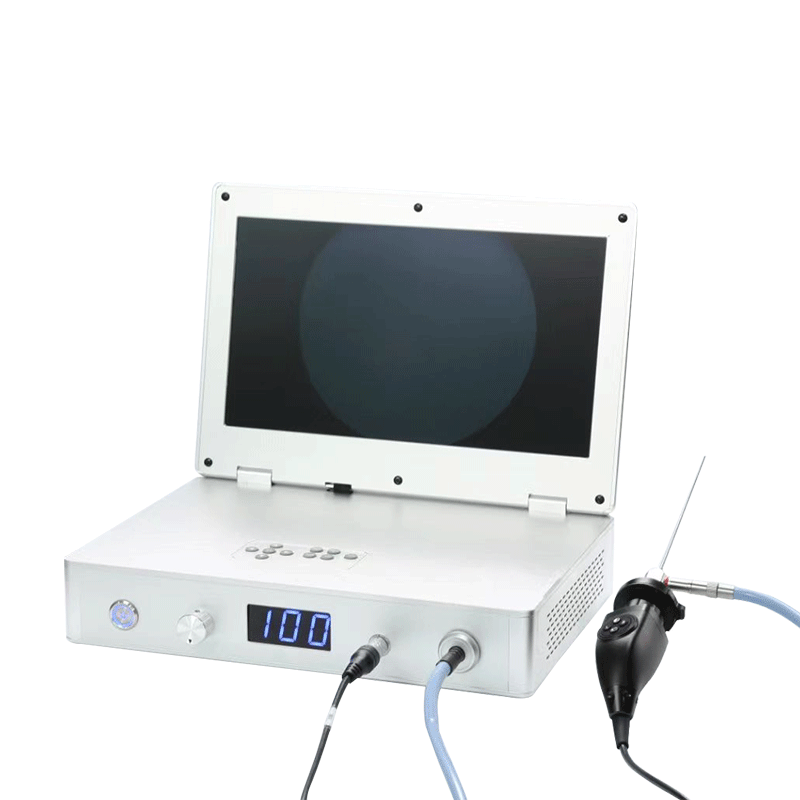
Unilateral Biportal Endoscopy (UBE) is an advanced minimally invasive spine surgery technique designed to improve surgical precision while reducing tissue trauma. By using two independent portals—one for visualization and one for instrumentation—UBE allows surgeons to achieve a wider and clearer operative field compared to single-portal endoscopic systems. This configuration closely mimics the freedom of movement found in open surgery, while preserving the benefits of endoscopic approaches such as reduced blood loss and faster recovery.
Clinically, UBE is most commonly applied in lumbar degenerative conditions, including disc herniation, spinal stenosis, and foraminal stenosis. Its unilateral access combined with bilateral decompression capability makes it particularly effective for complex decompression tasks without extensive muscle stripping.
Portal Configuration and Operating Setup
A defining feature of Unilateral Biportal Endoscopy is the separation of the viewing portal and the working portal. This design enhances instrument maneuverability and allows continuous irrigation to maintain a clear surgical field. Proper portal placement is critical for procedural efficiency and safety.
- Viewing portal: accommodates the endoscope and provides a stable, magnified surgical image.
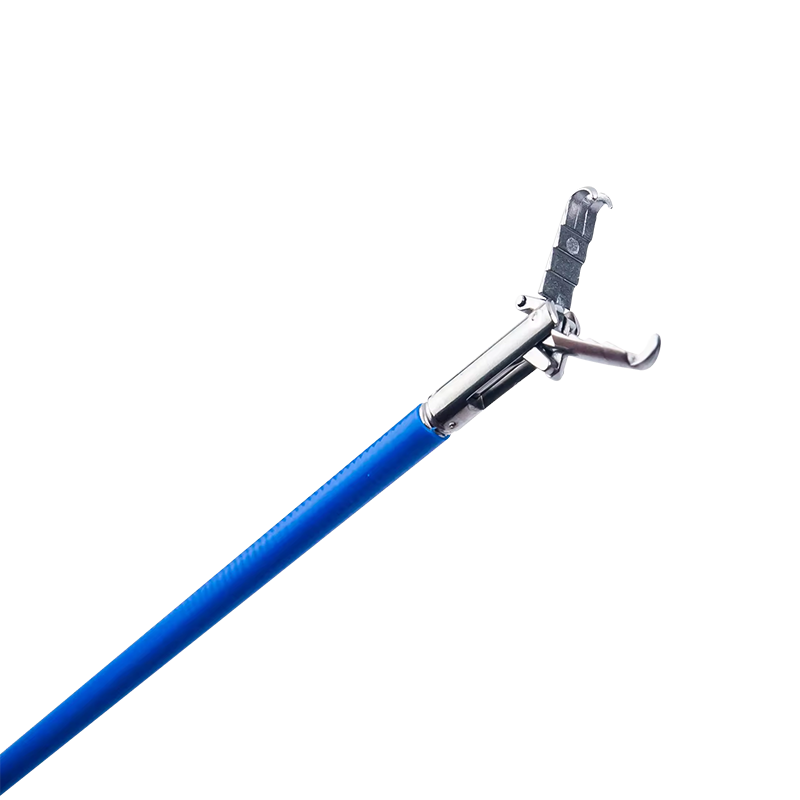
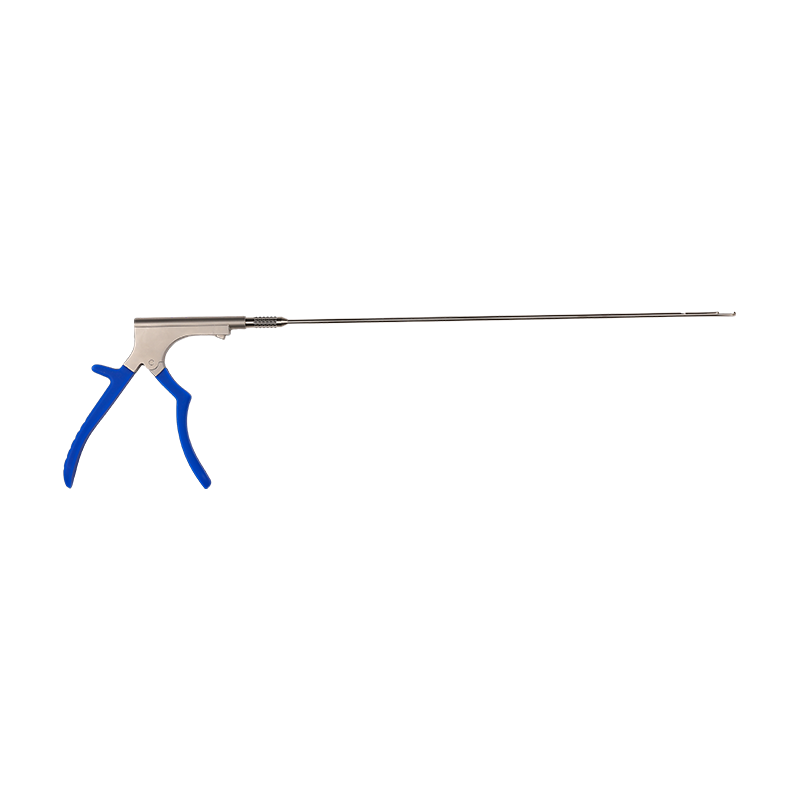
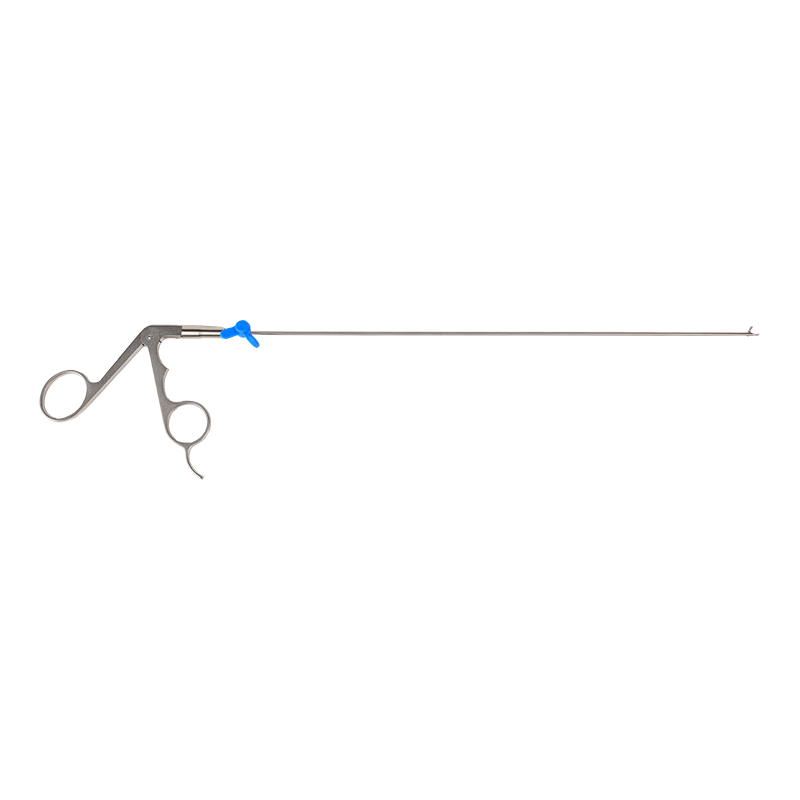
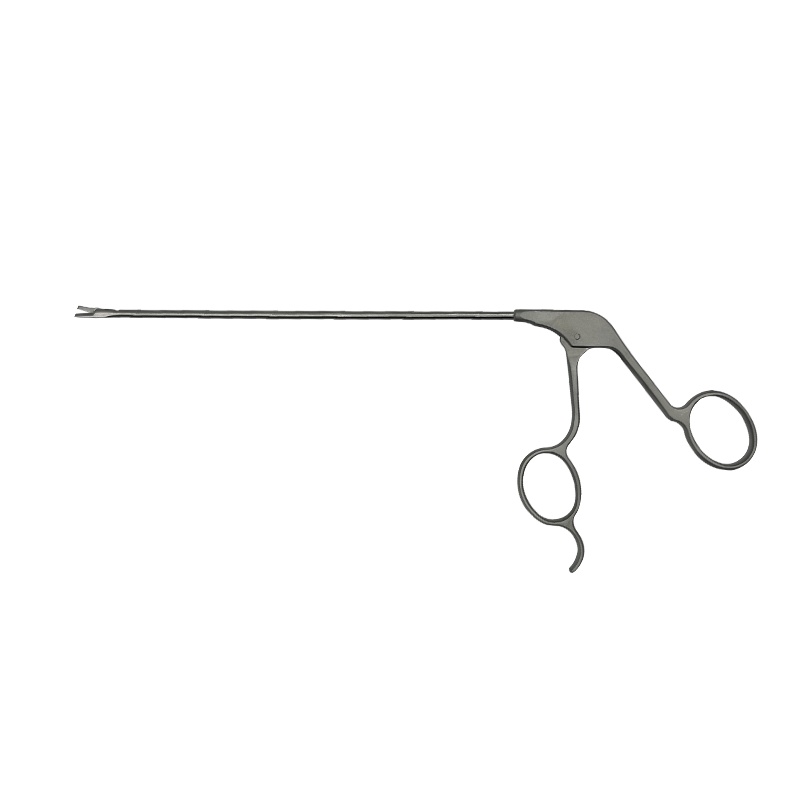
- Working portal: allows simultaneous use of drills, punches, and radiofrequency devices.
The independent portals reduce instrument crowding and minimize the need for repeated scope repositioning, which directly contributes to shorter operative times once the learning curve is overcome.
Step-by-Step Surgical Workflow in UBE
Access and Decompression Strategy
After fluoroscopic confirmation of the target level, small skin incisions are made for portal creation. Continuous saline irrigation is initiated to expand the working space and control bleeding. Bone removal and ligament decompression are performed under direct endoscopic visualization, allowing precise nerve root decompression while preserving surrounding structures.
Hemostasis and Visualization Control
Effective hemostasis is achieved through controlled irrigation pressure and radiofrequency coagulation. Clear visualization is essential in UBE, as it directly impacts surgical accuracy and reduces the risk of neural injury.
Indications and Case Selection Criteria
Proper patient selection plays a decisive role in the success of Unilateral Biportal Endoscopy. While the technique is versatile, it is most effective in well-defined degenerative pathologies rather than highly unstable spinal conditions.
- Lumbar disc herniation with unilateral or bilateral symptoms
- Central or lateral recess spinal stenosis
- Foraminal stenosis requiring precise bony decompression
Comparative Advantages Over Other Endoscopic Techniques
Compared to single-portal endoscopic spine surgery, Unilateral Biportal Endoscopy offers superior instrument flexibility and a broader surgical field. This advantage translates into improved efficiency when handling hypertrophic ligamentum flavum or complex bony anatomy.
| Aspect | Unilateral Biportal Endoscopy | Single-Portal Endoscopy |
| Instrument Freedom | High | Limited |
| Visualization | Wide and adjustable | Fixed trajectory |
| Learning Curve | Moderate | Steep |
Postoperative Outcomes and Recovery Benefits
Patients undergoing Unilateral Biportal Endoscopy typically experience reduced postoperative pain, minimal muscle damage, and shorter hospital stays. Early mobilization is encouraged, and many patients return to daily activities sooner than with conventional open procedures.
From a long-term perspective, clinical studies have demonstrated comparable or superior outcomes in symptom relief and functional improvement when UBE is performed by experienced surgeons, reinforcing its growing adoption in modern spine practice.