 English
 عربى
عربى Español
Understanding Medical Endoscopic Surgical Instruments
Medical endoscopic surgical instruments are specialized tools designed for minimally invasive surgeries. Unlike traditional open surgery, these instruments allow surgeons to perform complex procedures through small incisions, reducing recovery time and minimizing scarring. The growing demand for precision and safety in modern medicine has made these instruments essential in hospitals and surgical centers worldwide.
Types of Medical Endoscopic Surgical Instruments
Endoscopic surgical instruments come in a variety of designs, each serving a specific purpose during procedures. Choosing the right instrument depends on the type of surgery, the area of the body, and the surgical approach.
1. Endoscopes
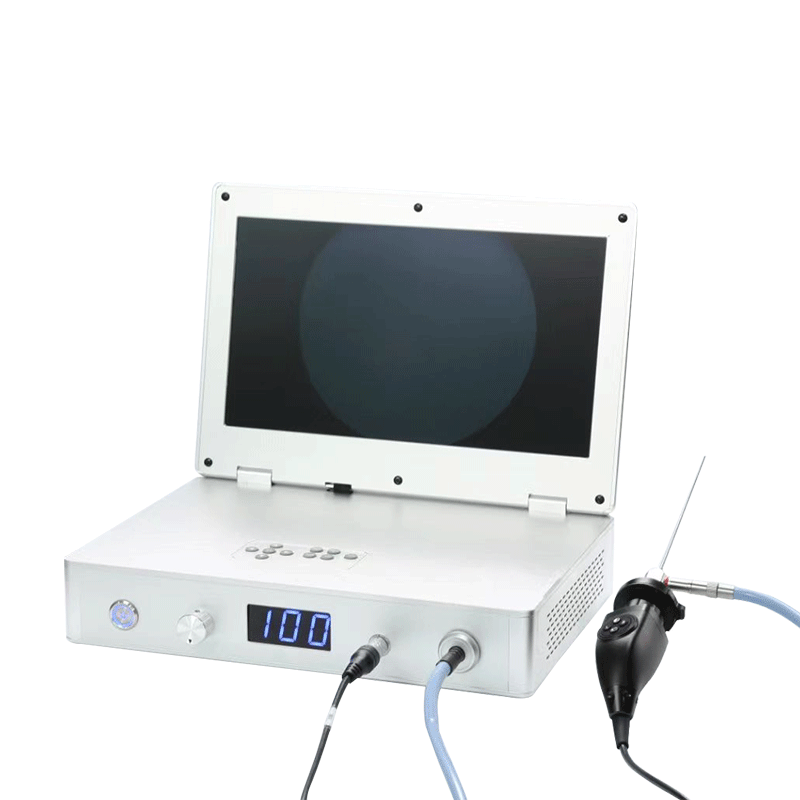
Endoscopes are the core of any endoscopic procedure. They feature a flexible or rigid tube with a camera and light source at the tip, allowing surgeons to view internal organs on a monitor. Modern endoscopes may include high-definition imaging and 3D visualization for enhanced precision.
2. Graspers and Forceps
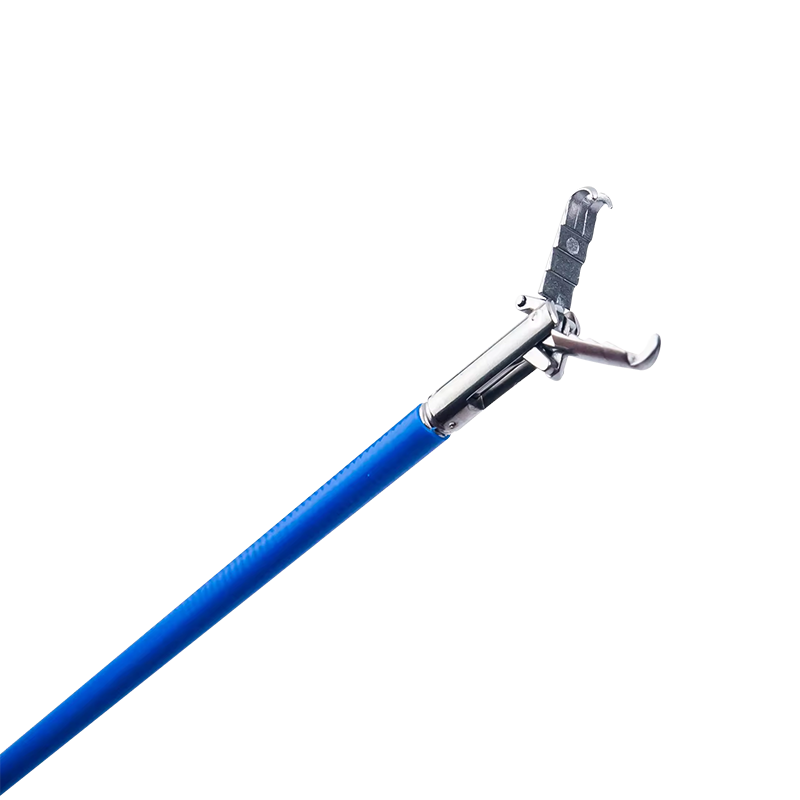
Graspers and forceps are used to hold, manipulate, and remove tissues during surgery. They come in various shapes and sizes, including fenestrated, serrated, or atraumatic tips to minimize tissue damage.
3. Scissors and Cutting Instruments
Scissors, knives, and other cutting instruments are essential for precise tissue dissection. Many are designed with curved or angled blades to reach difficult areas while ensuring accuracy and safety.
4. Suction and Irrigation Devices
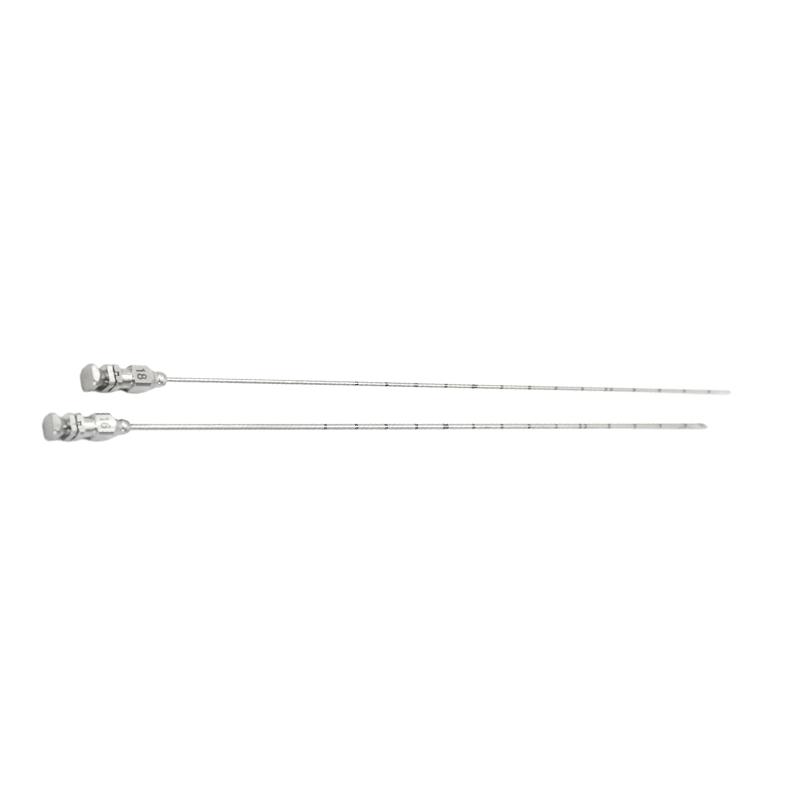
These instruments help maintain a clear surgical field by removing blood and fluids. Some devices combine suction and irrigation for continuous cleaning during complex procedures.

Materials and Sterilization
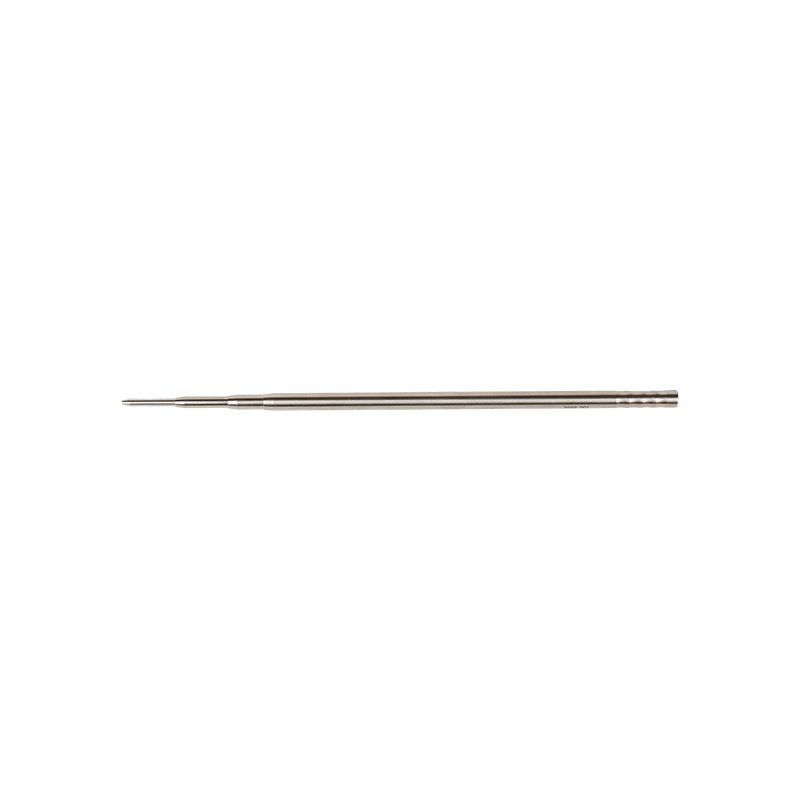
Medical endoscopic surgical instruments are made from high-quality materials such as stainless steel, titanium, and advanced polymers. These materials ensure durability, resistance to corrosion, and precision in delicate procedures. Proper sterilization is critical to prevent infections. Autoclaving, chemical sterilants, and plasma sterilization are commonly used methods depending on the instrument material.
Maintaining and Handling Instruments
Proper handling of endoscopic instruments extends their lifespan and ensures surgical safety. Guidelines include:
- Cleaning immediately after use to prevent blood or tissue residues from hardening.
- Using instrument-specific trays and protectors during storage.
- Regularly inspecting for wear, bending, or damage to delicate parts.
- Training staff on proper handling and assembly of complex instruments.
Conclusion
Medical endoscopic surgical instruments are indispensable for modern minimally invasive surgery. Understanding the types, materials, and proper handling techniques ensures safe, efficient, and effective surgical outcomes. With technological advancements, these instruments continue to evolve, offering better precision and improved patient recovery.