 English
 عربى
عربى Español
The Engineering Behind Bone Hammers with Specialized Cushions
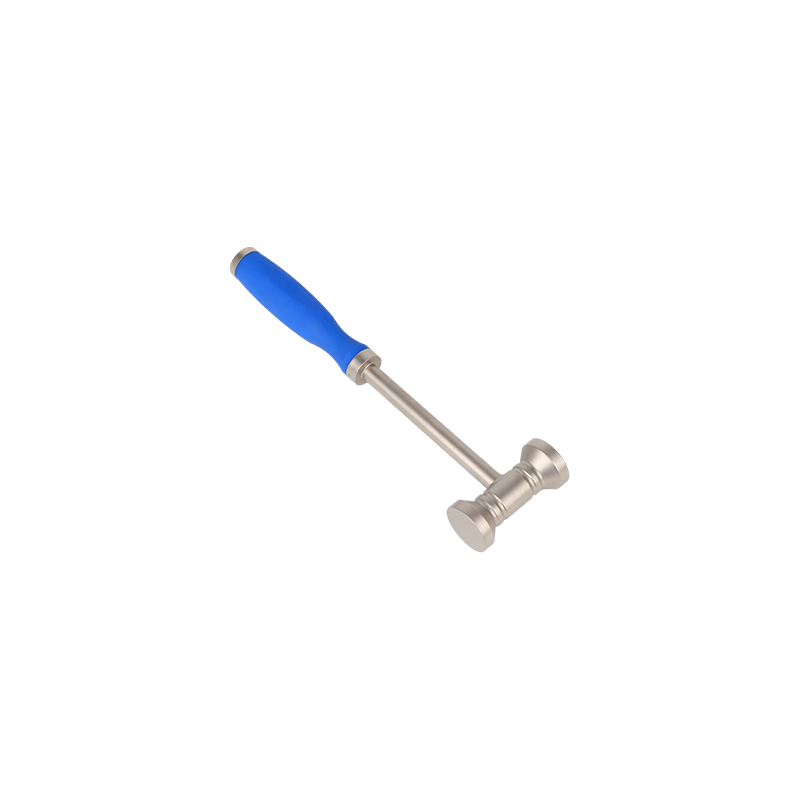
A bone hammer with a cushion is a precision orthopedic instrument designed to deliver controlled force while minimizing the physical toll on the surgical team. Unlike traditional solid metal mallets, these tools incorporate a specialized synthetic or silicone cushioning layer, either on the striking face or within the handle. This design is primarily intended to manage kinetic energy. When a surgeon strikes a chisel or osteotome, the cushion absorbs the high-frequency vibrations that would otherwise travel back through the instrument and into the surgeon's arm, reducing the risk of long-term repetitive strain injuries.
The "cushion" element is often constructed from medical-grade polymers that can withstand the rigorous sterilization processes of an autoclave. By dampening the "recoil" effect, these hammers allow for more consistent strikes during delicate procedures such as joint replacements or bone grafting. The reduction in acoustic noise—the sharp "clink" of metal on metal—also creates a more focused environment in the operating room, which is a subtle but significant benefit for surgical staff during long procedures.
Key Advantages of Using Cushioned Orthopedic Mallets
The transition from standard stainless steel mallets to cushioned variants offers several clinical and ergonomic advantages. These benefits impact both the accuracy of the bone work and the physical well-being of the practitioner.
- Vibration Dampening: The primary function is to eliminate the "shockwave" felt by the hand, which helps prevent conditions like carpal tunnel syndrome or tendonitis.
- Enhanced Grip Stability: Cushioned handles often feature ergonomic contouring and non-slip textures, ensuring the tool remains secure even when surgical gloves are wet.
- Noise Reduction: Reducing the decibel level of metal-on-metal impact helps decrease "alarm fatigue" and stress levels within the surgical suite.
- Improved Precision: By reducing the bounce-back or recoil, the surgeon can maintain better alignment with the osteotome or nail being driven into the bone.
Comparison of Standard vs. Cushioned Bone Hammers
Choosing the right hammer depends on the specific surgical application. Below is a comparison highlighting how the addition of a cushion changes the tool's performance profile.
| Feature | Standard Bone Hammer | Cushioned Bone Hammer |
| Shock Absorption | Low (High Recoil) | High (Absorbs Impact) |
| Ergonomics | Rigid / Simple Grip | Contoured / Soft Grip |
| Auditory Feedback | Loud / Sharp Metallic | Muted / Thudding |
| Maintenance | Simple Sterilization | Requires Heat-Resistant Polymer |
Maintenance and Sterilization Protocols
Material Integrity Checks
Because bone hammers with cushions utilize multi-material construction (stainless steel combined with silicone or nylon), it is crucial to inspect the interface where the two materials meet. Over time, repeated autoclave cycles can cause some polymers to degrade or lose their elasticity. Staff should regularly check for cracks in the cushion or any signs of the handle loosening from the core of the hammer to ensure patient safety and tool longevity.
Cleaning and Autoclaving
Despite the cushioned exterior, these hammers must be cleaned using standard enzymatic detergents to remove bioburden. It is important to ensure that the specific cushioning material is rated for high-temperature steam sterilization (typically 132°C to 135°C). Ensuring the tool is completely dry after the cycle prevents moisture from being trapped between the cushion and the metal, which could lead to hidden corrosion.
Selecting the Right Weight for Surgical Precision
Cushioned bone hammers come in various weights, typically ranging from 200 grams to over 700 grams. The choice of weight, combined with the dampening effect of the cushion, dictates how much "work" the surgeon has to do. A heavier hammer with a good cushion is often preferred for femoral broaching in hip replacements, as the mass does the work while the cushion protects the surgeon’s wrist. Conversely, lighter cushioned mallets are ideal for ENT or plastic surgery, where delicate taps are required and any excess vibration could lead to unintended bone fractures.