 English
 عربى
عربى Español
The Revolution of Laparoscopy
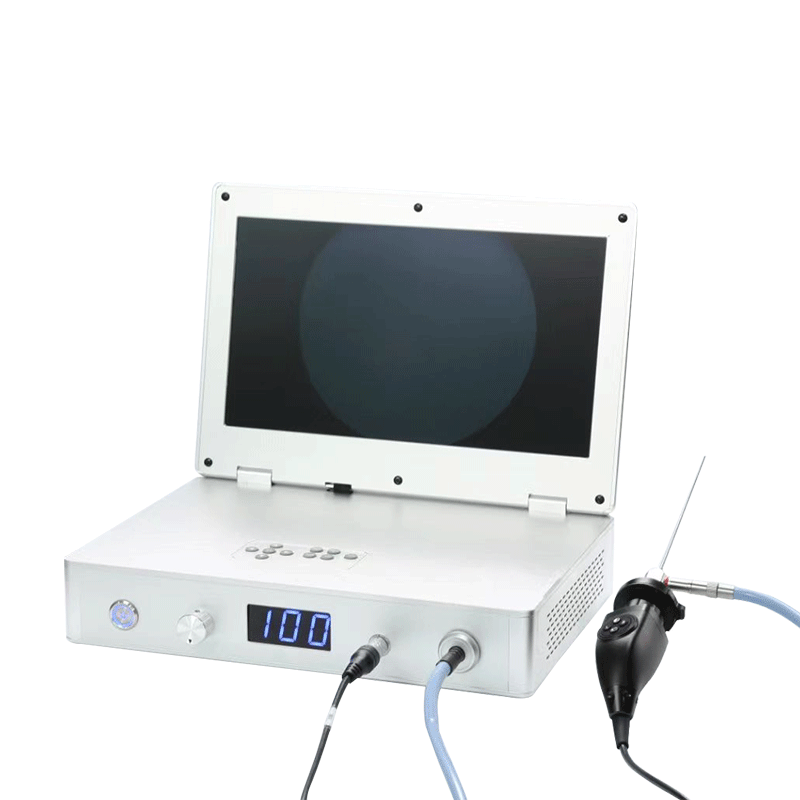
Laparoscopic surgery, often called “keyhole” surgery, has fundamentally changed the landscape of modern medicine. Instead of a large incision, surgeons make a few small cuts—typically just to centimeters long. Through these tiny openings, a specialized camera (a laparoscope) and long, slender instruments are inserted. The surgeon views the procedure on a monitor, performing complex operations with precision while looking at a magnified image of the internal organs.
This technique is a win-win for patients. Smaller incisions mean less pain, reduced blood loss, shorter hospital stays, and a faster recovery time compared to traditional open surgery. Procedures like gallbladder removal (cholecystectomy), appendectomies, and hysterectomies are now routinely performed laparoscopically.
The Tooling Dilemma: Reusable vs. Disposable
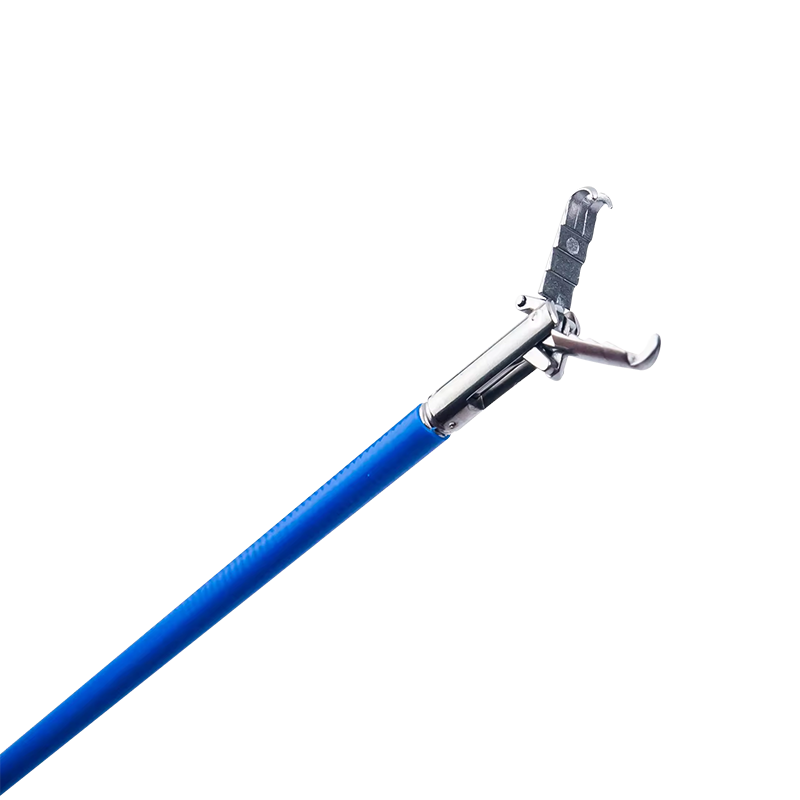
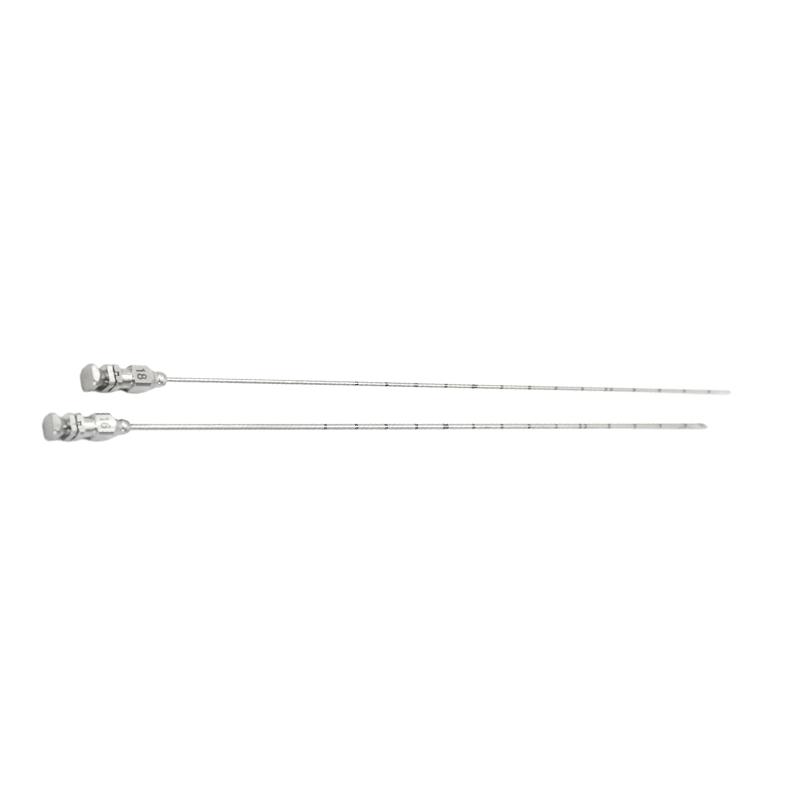
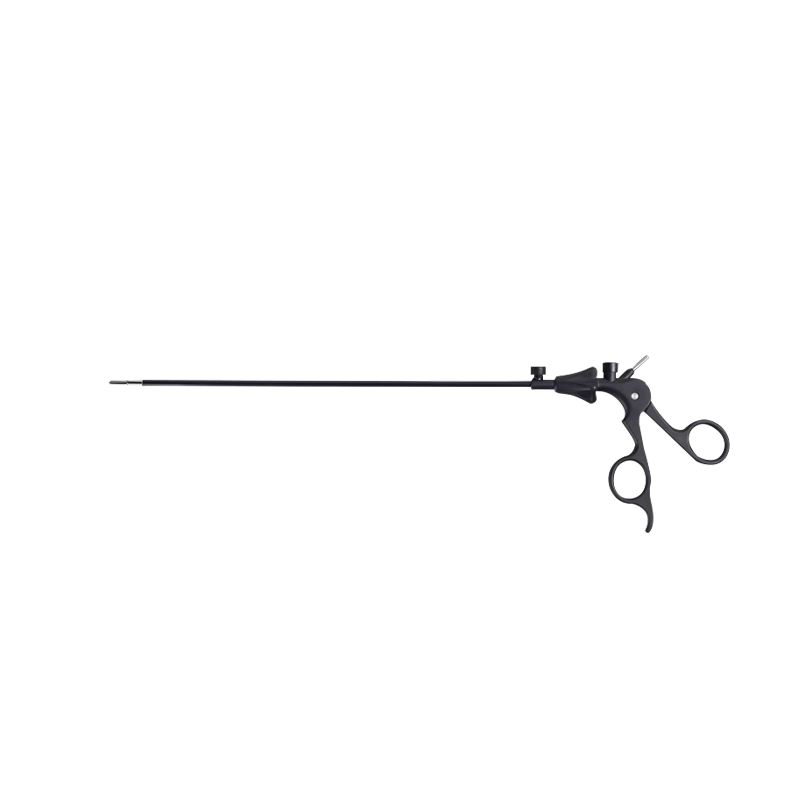
The success of laparoscopy hinges on the quality and functionality of the instruments used. These tools, which include graspers, scissors, dissectors, and trocars (the cannulas that create the entry port), must be precise and reliable. Historically, these instruments were designed to be reusable. After each procedure, they would undergo a rigorous, multi-step process of cleaning, disinfection, and sterilization.
The Challenges of Reusable Instruments
While cost-effective in the long run, reusable instruments present significant challenges.
- Sterilization Complexity: The long, narrow shafts and intricate moving parts of laparoscopic instruments create numerous nooks and crannies where biological debris (blood, tissue) can hide. This makes thorough cleaning extremely difficult and introduces a risk—however small—of cross-contamination if sterilization is compromised.
- Wear and Tear: Repeated use, handling, and high-temperature sterilization processes inevitably degrade the delicate mechanisms of the instruments. Jaws may lose their grip, scissors may dull, and insulation around electrocautery tools can crack, potentially leading to unsafe electrical leaks.
- Maintenance Costs: Hospitals must invest heavily in specialized cleaning equipment, staff training, and the logistical nightmare of tracking, repairing, and replacing worn-out instruments.
The Rise of Disposable Laparoscopic Instruments
To address these challenges, the medical device industry increasingly turned to disposable laparoscopic instruments. These tools are packaged sterile and designed for single-patient use. After the procedure is complete, the instrument is safely discarded.
Enhanced Safety and Performance
The primary benefit of using disposable instruments is the elimination of the risk of cross-contamination. Since the instrument is brand new and sterile every time, there is no chance of transmitting infection from one patient to the next due to imperfect cleaning.
Furthermore, disposables guarantee peak performance. The surgeon is always using an instrument with a sharp blade, a perfectly aligned grasper, and pristine electrical insulation. This reliability can be particularly critical in complex or emergency cases where instrument failure could compromise patient safety. The focus shifts entirely to the surgery, without the worry of equipment age or damage.
Operational and Logistical Simplification
Beyond safety, using disposable instruments simplifies hospital operations. It removes the entire complex cycle of reprocessing:
- No Cleaning Staff Time: Staff no longer have to spend hours meticulously cleaning complex tools.
- Reduced Inventory Management: The hospital doesn’t need to track the lifecycle, repair history, or replacement schedule of hundreds of reusable tools.
- Predictable Costs: The cost per procedure for instrumentation becomes predictable, as it is factored into the price of the disposable kit.
Looking Ahead: The Future of Surgical Tools
While disposable laparoscopic instruments initially come with a higher per-item cost, the overall value proposition—factoring in safety, peak performance, and the reduction in labor, maintenance, and sterilization costs—is compelling. The trend in surgical technology is moving toward single-use systems that integrate advanced features, such as smart sensors and improved ergonomics, all while maximizing patient safety and streamlining the surgical workflow. This ensures that the benefits of minimally invasive surgery remain accessible and as safe as possible for patients worldwide.