 English
 عربى
عربى Español
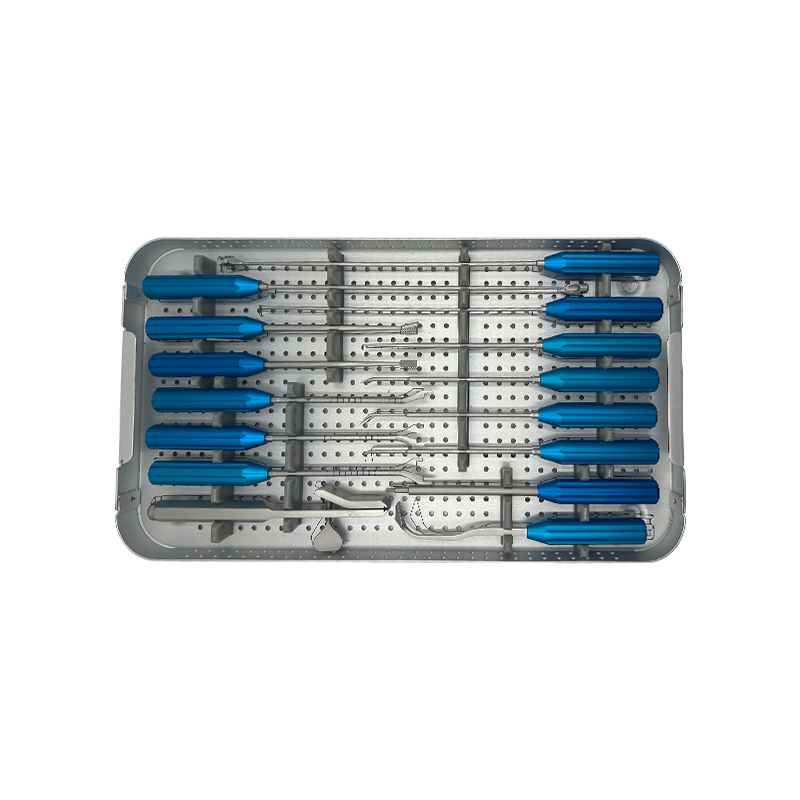
Core Components of a Comprehensive ACL/PCL Instrument Set
A specialized ACL/PCL instrument set is a collection of high-precision tools designed to facilitate the complex steps of ligament reconstruction. These sets are engineered to handle the unique challenges of arthroscopic surgery, where space is limited and accuracy is paramount. The primary objective of these instruments is to ensure anatomical placement of the graft, which is the most critical factor in restoring joint stability. Modern sets typically include a variety of drills, guides, and tensioning devices that allow the surgeon to work with different graft types, including bone-patellar tendon-bone (BTB) and soft tissue autografts or allografts.
The reliability of these instruments directly impacts the surgical outcome. For instance, the sharpness of the reamers determines the cleanliness of the bone tunnels, which is vital for graft-to-bone healing. Furthermore, the ergonomic design of the handles allows for better tactile feedback during the procedure. Manufacturers often use high-grade surgical stainless steel or titanium to ensure durability and resistance to the rigorous sterilization processes required in orthopedic theaters.
Essential Surgical Instruments and Their Functions
Drill Guides and Aiming Devices
The drill guide is perhaps the most vital component in the set. It allows for the precise localization of the femoral and tibial footprints. In PCL reconstructions, which are technically more demanding due to the proximity of neurovascular structures, specialized "safety" guides are used to prevent over-drilling. These guides often feature adjustable angles to accommodate the varying anatomy of patients.
Tunnel Reamers and Dilators
Once the guide pins are in place, reamers are used to create the tunnels where the new ligament will be anchored. Cannulated reamers are standard, allowing them to slide over the guide wire for perfect alignment. Bone dilators may also be included to compress the bone rather than remove it, which can enhance the pull-out strength of the interference screws used for fixation.
Graft Preparation Station
Before the graft is inserted, it must be sized and tensioned. The instrument set usually includes a graft preparation board equipped with sizing sleeves and suturing posts. This allows the surgical team to trim the graft to the exact diameter of the drilled tunnels, ensuring a snug fit that promotes faster biological integration.
Technical Specifications of Key Instruments
| Instrument Name | Standard Sizes/Range | Primary Surgical Use |
| Cannulated Reamers | 6mm - 12mm (0.5mm increments) | Creating femoral and tibial bone tunnels |
| Tibial Aimers | 45° to 55° adjustable angles | Precise placement of tibial guide wire |
| Graft Sizing Sleeves | 6mm - 11mm diameters | Ensuring graft-tunnel diameter match |
| Depth Gauges | Up to 100mm | Measuring tunnel length for screw selection |
Maintenance and Sterilization Requirements
To maintain the longevity and precision of an ACL/PCL instrument set, strict adherence to cleaning and sterilization protocols is mandatory. Because these instruments are used in joint spaces, any residual biological material can lead to post-operative infections or inflammatory responses. The use of automated ultrasonic cleaners is recommended to remove debris from the lumens of cannulated instruments.
- Always disassemble modular instruments before cleaning to ensure all internal surfaces are reached.
- Use pH-neutral detergents to prevent pitting or corrosion of the stainless steel surfaces.
- Inspect drill bits and reamers after every case for signs of dullness or structural fatigue.
- Ensure that the sterilization tray is organized correctly to prevent delicate tips from touching and becoming damaged during transport.
Selecting the Right Instrument Set for Your Facility
When choosing an ACL/PCL instrument set, clinical versatility should be a top priority. A high-quality set should accommodate various surgical philosophies, such as the transtibial technique or the anteromedial portal approach. It is also beneficial to select a system that is compatible with multiple types of fixation devices, such as interference screws, cortical buttons, or cross-pins. This flexibility allows the surgeon to adapt the procedure based on the intraoperative findings and the patient's specific bone quality.
Furthermore, consider the modularity of the tray. Sets that allow for the easy addition of specialized PCL tools or pediatric-sized instruments can be more cost-effective in the long run. Investing in a set from a manufacturer that provides reliable technical support and readily available replacement parts ensures that the surgical suite remains operational without delays caused by missing or damaged equipment.