 English
 عربى
عربى Español
Peering Inside: A New Era for Spinal Procedures
For decades, the idea of spine surgery conjured images of large incisions, significant muscle disruption, and long, painful recovery times. Traditional open surgery, while effective, often required surgeons to cut through or retract a lot of healthy tissue just to get a clear view of the problem—a herniated disc, a bone spur, or a narrowed spinal canal.
Enter Transforaminal Endoscopic Surgery, a revolutionary approach that turns the old model on its head. This technique is part of a growing field of minimally invasive spine surgery (MISS), but it’s arguably the least invasive of them all. Instead of a wide view, surgeons use highly specialized, tiny instruments and a sophisticated scope (an endoscope) to tackle spinal issues through a very small, keyhole-sized incision.
The Transforaminal Gateway: A Natural Path
To understand this breakthrough, you first need to know the ‘transforaminal’ part of the name.
The spine is made up of vertebrae (the bones) stacked on top of each other, and between them are discs that act as shock absorbers. On the sides of the vertebrae, there are small natural openings called foramina (singular: foramen). These openings are where the spinal nerve roots exit the spinal canal to travel to the rest of the body.
The transforaminal approach simply means the surgeon accesses the spine through this natural window—the foramen. This avoids cutting through the major muscles and bone structures, which are the main sources of post-operative pain and lengthy recovery after traditional surgery.
The Endoscopic Toolset: Precision in Mini-Form
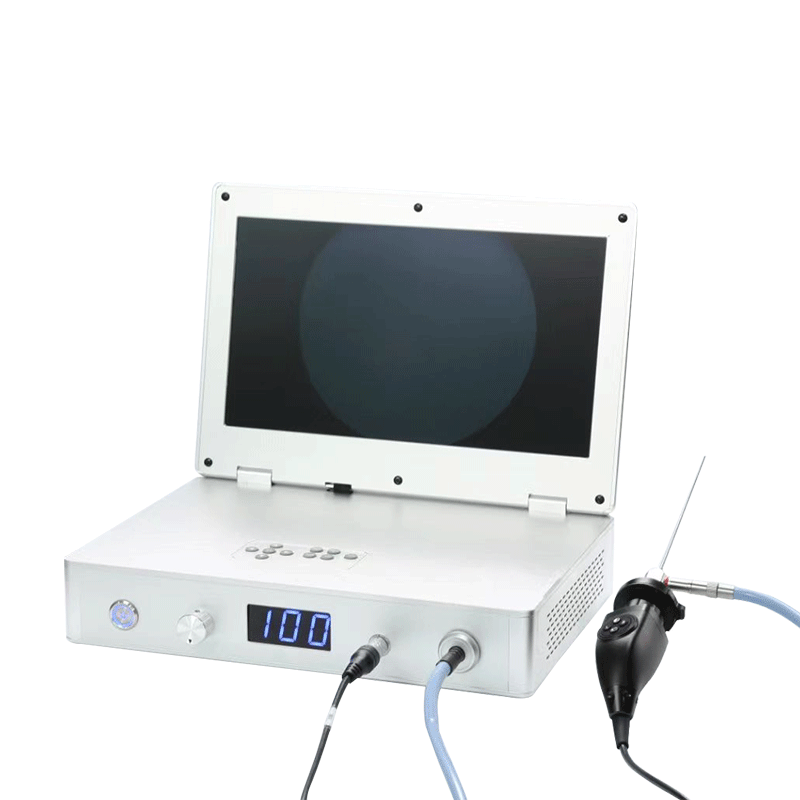
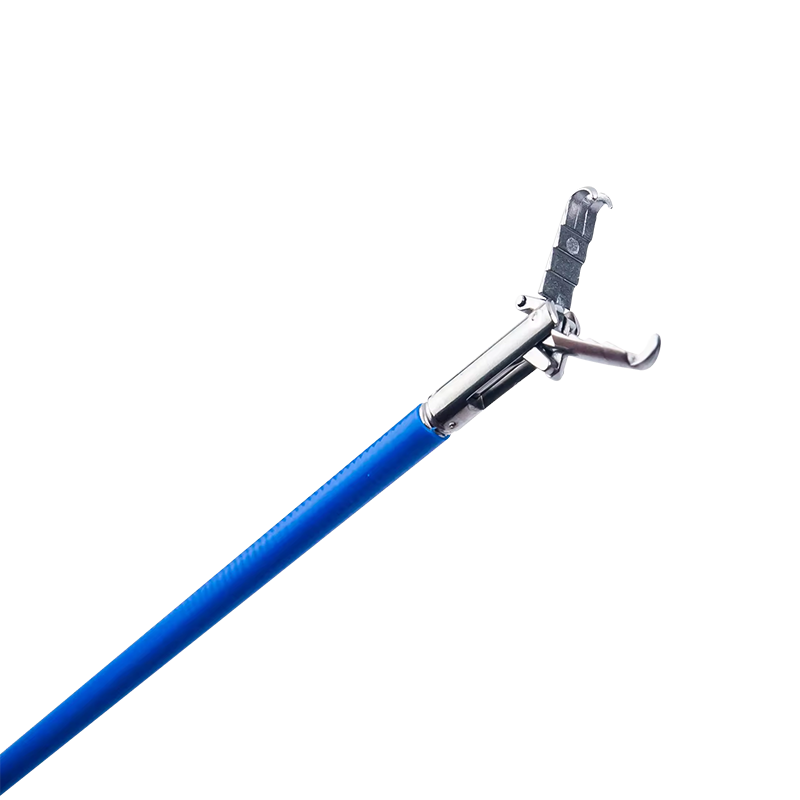
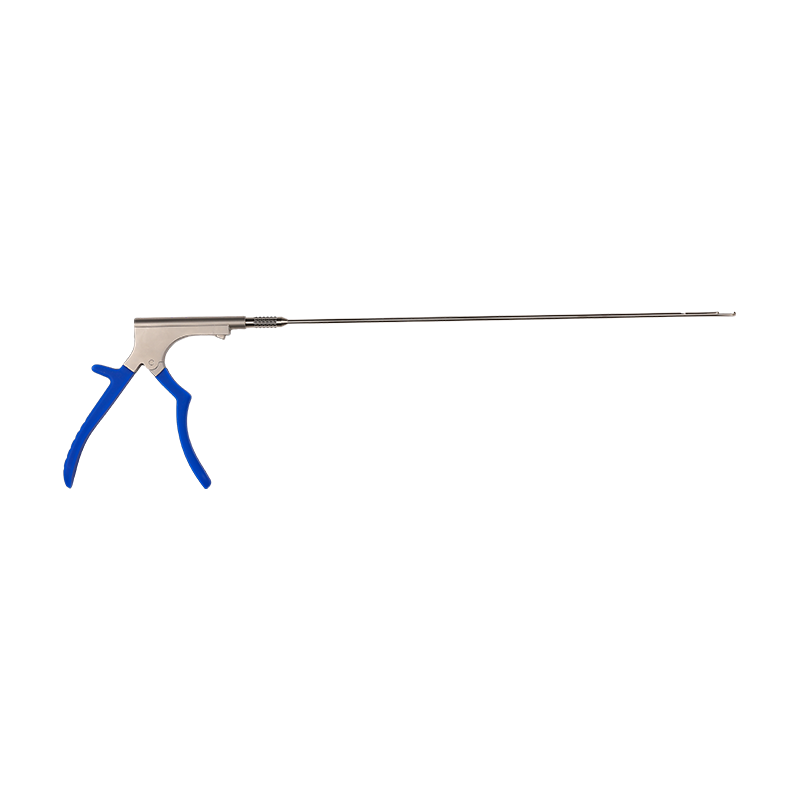
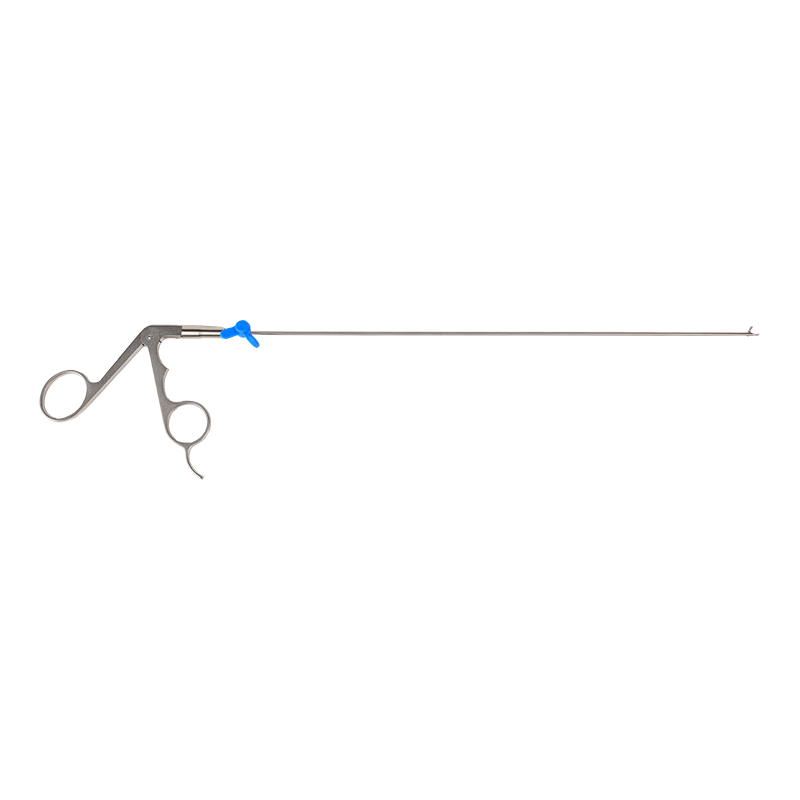
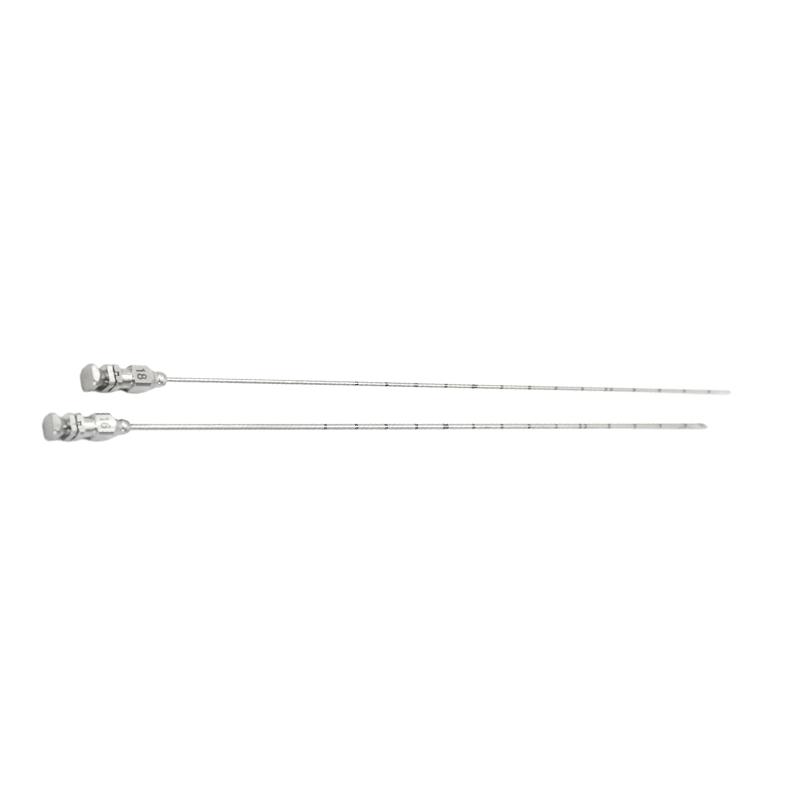
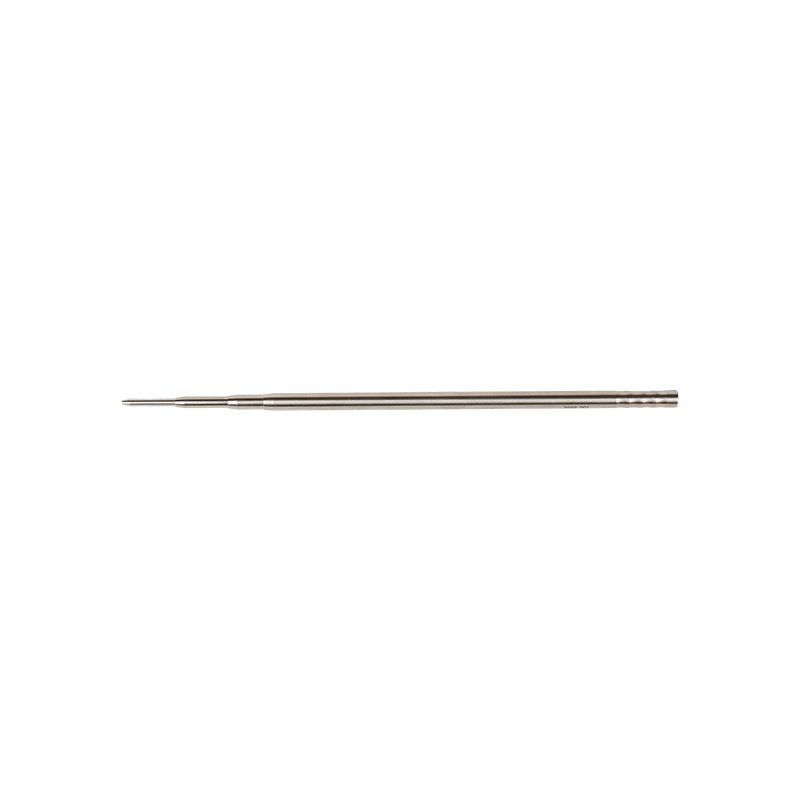
The magic of this procedure lies in the Transforaminal Endoscopic Surgical Instruments. These aren’t your typical surgical tools; they are specifically designed to work through a narrow tube, often less than a centimeter in diameter.
- The Endoscope: This is the heart of the system. It’s a small, rigid tube equipped with a high-definition camera and a light source. It provides the surgeon with a brilliantly clear, magnified view of the spinal structures—the disc, the nerves, and the surrounding bone—all displayed on a monitor. The ‘port’ of the endoscope is also the working channel through which the other instruments are passed.
- Specialized Grasping and Cutting Tools: Since the surgeon cannot use their hands directly, they use long, slender instruments like micro-forceps, tissue nippers, and drills, all sized to fit through the endoscope’s working channel. These tools allow for precise removal of the offending material, such as a piece of a herniated disc that is pressing on a nerve.
- Radiofrequency (RF) Probes: These instruments use controlled heat to shrink or seal tissue and control bleeding, adding another layer of precision and safety to the delicate work near the nerve roots.
The Patient’s Advantage: Fast Recovery and Minimal Scars
The ultimate goal of any surgical innovation is to improve the patient experience, and Transforaminal Endoscopic Surgery delivers significant benefits.
Reduced Recovery Time
Because the procedure involves a small incision (often less than a quarter-inch) and preserves the spinal muscles, patients experience significantly less tissue damage. This translates directly to reduced pain after surgery and a much faster return to normal activities. Many patients are up and walking within hours of the procedure and can often go home the same day. In many cases, the surgery is done using only local anesthesia and mild sedation, further speeding up the recovery process.
Minimizing Pain and Scar Tissue
By accessing the spine through the natural transforaminal window, the surgery avoids the large deep scars and extensive internal scar tissue that can sometimes be a complication of open procedures. Reduced scar tissue around the nerves can mean a lower chance of long-term discomfort.
High Precision and Targeted Treatment
The high-definition, magnified view provided by the endoscope gives the surgeon exceptional clarity, allowing them to pinpoint the source of the pain and remove only the necessary material while leaving healthy tissue intact. This precision is difficult to match even in some other minimally invasive techniques.
The Future is Small: Impact on Common Conditions
This endoscopic revolution is particularly effective for treating common causes of back and leg pain, including:
- Lumbar Disc Herniation: Where the soft center of a disc pushes out and presses on a nerve.
- Lumbar Stenosis: The narrowing of the spinal canal or nerve root openings, often due to bone spurs.
- Foraminal Stenosis: Narrowing specifically within the foramen, causing nerve compression.
Transforaminal Endoscopic Surgery is no longer a futuristic concept; it is a current reality, offering patients a path to relief from chronic back and leg pain with unprecedented safety, precision, and speed. It exemplifies how tiny technology can lead to enormous improvements in healthcare.