 English
 عربى
عربى Español
Why Medical Endoscopic Surgical Instruments Are Game-Changers
Medical endoscopic surgical instruments have revolutionized the way surgeries are performed. By allowing access through small incisions, they reduce trauma, speed up recovery, and lower infection risks. From gastrointestinal procedures to orthopedic and urological surgeries, these tools are central to modern medical practice.
Essential Features of Endoscopic Instruments
For surgeons, the effectiveness of an instrument depends on several key features:
- Ergonomic design for comfortable handling during long procedures.
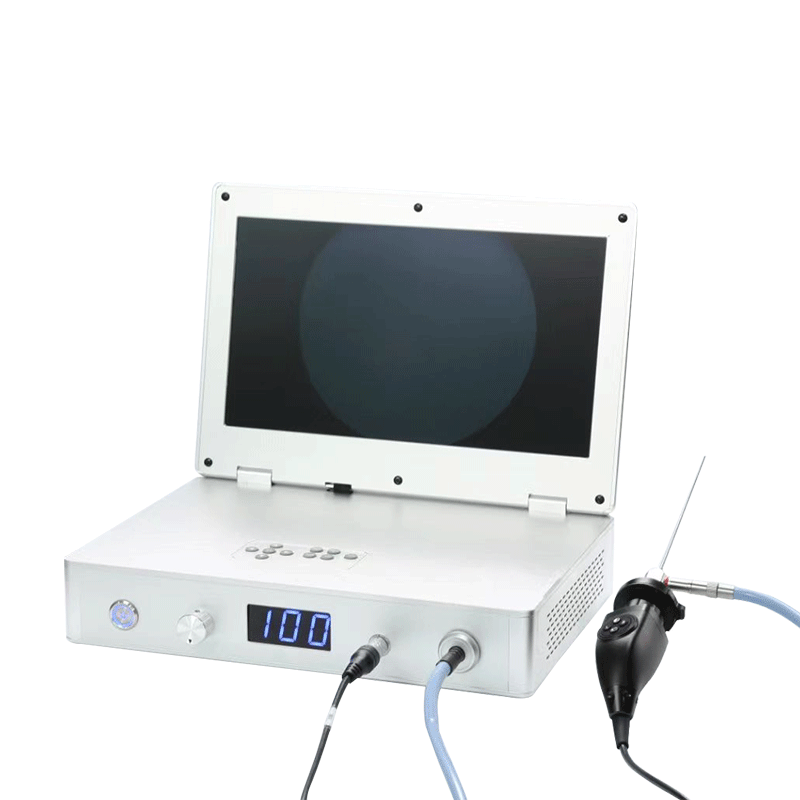
- High-quality optics for clear and magnified visualization.
- Durable materials that withstand repeated sterilization cycles.
- Versatility to perform multiple functions with minimal instrument changes.
Common Types of Medical Endoscopic Surgical Instruments
There is a wide range of instruments, each designed for specific surgical needs. Some of the most commonly used include:
| Instrument | Function | Surgical Application |
| Rigid Endoscope | Provides high-definition imaging | Laparoscopy, arthroscopy |
| Flexible Endoscope | Navigates through curved anatomy | Gastrointestinal, bronchoscopy |
| Electrosurgical Instruments | Cuts tissue and controls bleeding | General surgery, ENT |
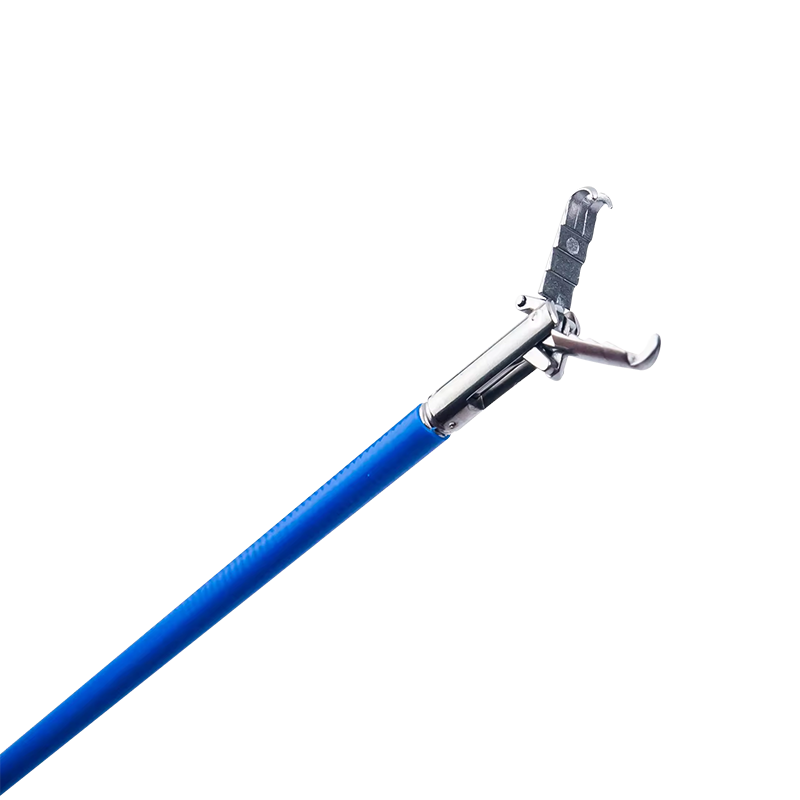
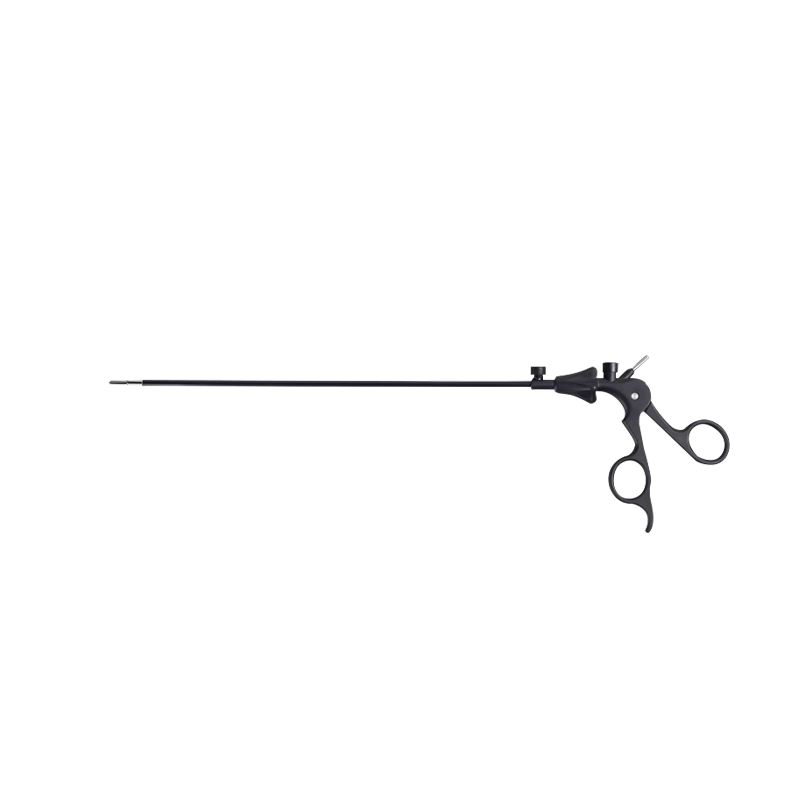
| Endoscopic Graspers | Holds or removes tissue | Laparoscopy, urology |
Maintenance Tips for Longevity
Proper care of medical endoscopic surgical instruments is vital to maintain their precision and safety. Key maintenance practices include:
- Thorough cleaning immediately after each surgery to remove debris and prevent corrosion.
- Careful handling to avoid bending or damaging delicate tips and optics.
- Routine inspection for wear, especially in articulating joints and moving parts.
- Following manufacturer-specific sterilization and storage instructions.
Future Trends in Endoscopic Surgery
Advancements in medical endoscopic surgical instruments continue to push the boundaries of minimally invasive surgery. Emerging trends include:
- Integration of robotics for enhanced precision and reduced fatigue during complex procedures.
- High-definition 3D imaging for better depth perception and visualization.
- Single-use disposable instruments to eliminate cross-contamination risks.
- Smart instruments with sensors to provide real-time feedback to surgeons.
Conclusion
Medical endoscopic surgical instruments are central to modern surgery, offering improved patient outcomes and safer procedures. Understanding their types, uses, and proper maintenance ensures that healthcare providers can fully leverage their capabilities in minimally invasive surgery.