 English
 عربى
عربى Español
The Evolution of Precision with Disposable Laparoscopic Instruments
The landscape of minimally invasive surgery has shifted dramatically with the introduction of high-quality disposable laparoscopic instruments. Unlike their reusable counterparts, which require rigorous sterilization and constant maintenance, single-use tools ensure that every procedure starts with a brand-new, factory-sharp edge. This precision is critical in delicate maneuvers such as tissue dissection and vessel ligation, where the mechanical integrity of the tool can directly impact patient outcomes. Surgeons increasingly prefer these instruments because they eliminate the "dullness" factor often associated with older, frequently processed metal tools.
Beyond just sharpness, these modern surgical devices are designed with ergonomics in mind. Manufacturers focus on lightweight materials that reduce hand fatigue during long procedures. By integrating advanced polymers and reinforced metals into a single-use format, hospitals can provide their surgical teams with state-of-the-art technology without the massive upfront capital investment required for high-end reusable sets.
Enhancing Patient Safety and Infection Control
One of the primary drivers behind the adoption of single-use laparoscopic tools is the absolute mitigation of cross-contamination risks. Even with advanced autoclaving and chemical cleaning, complex surgical instruments with long shafts and hidden hinges can harbor bio-burden or "biofilm." Disposable options arrive in sterile packaging, ensuring that no residual tissue or pathogens from a previous patient can enter the sterile field. This significantly lowers the risk of Surgical Site Infections (SSIs), which are a major concern for post-operative recovery.
Key Safety Advantages
- Elimination of insulation failure risks that can cause internal burns.
- Guaranteed sterility for every single procedure.
- Consistent mechanical performance without wear and tear.
- Reduced liability regarding cleaning validation and sterilization logs.
Operational Efficiency and Cost Analysis
While the per-unit cost of disposable laparoscopic instruments might seem higher at first glance, the "hidden costs" of reusables often balance the scale. Reusable instruments require specialized labor for cleaning, expensive sterilization equipment, enzymatic cleaners, and frequent repairs. Furthermore, if a reusable tool is found to be malfunctioning mid-surgery, it causes delays that are costly in terms of Operating Room (OR) time. Single-use instruments streamline the workflow, allowing for faster room turnover and more predictable scheduling.
| Feature | Reusable Instruments | Disposable Instruments |
| Maintenance | High (Sharpening & Repair) | None Required |
| Sterilization Cost | Significant Labor & Energy | Included in Product |
| Performance | Degrades over time | Always "Like New" |
| Risk of SSI | Present if cleaning fails | Virtually Zero |
Commonly Used Single-Use Laparoscopic Tools
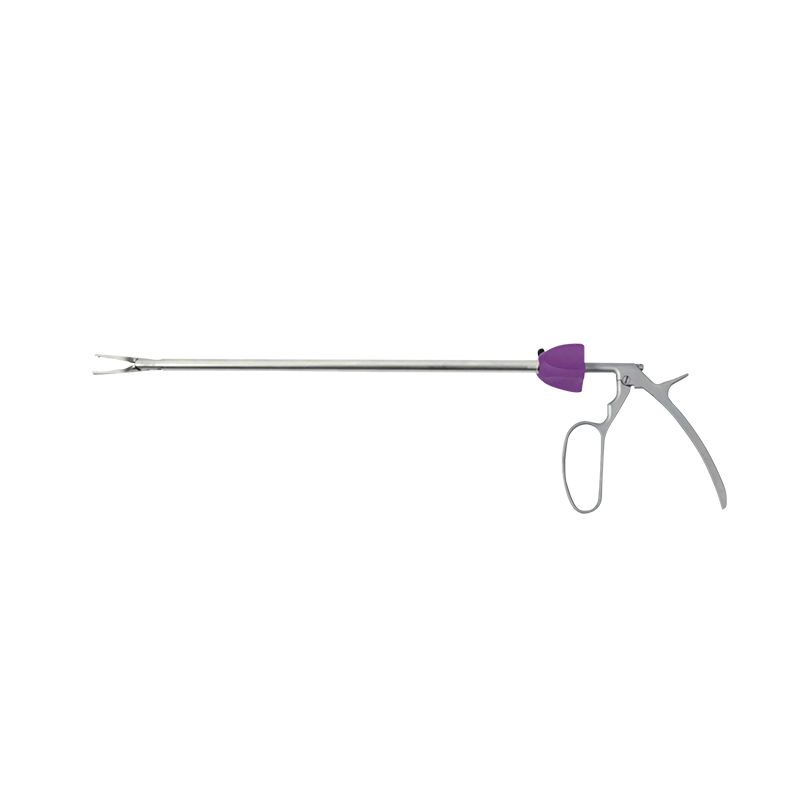
The variety of disposable laparoscopic instruments available today covers almost every aspect of abdominal and pelvic surgery. From grasping and cutting to sealing and stapling, these tools are engineered to meet the highest surgical standards. Because they are replaced after every use, manufacturers can iterate on designs more quickly, bringing updated ergonomic grips and better tip geometries to the market faster than traditional instrument cycles allow.
Essential Disposable Inventory
- Disposable Scissors (Metzenbaum and Curved) for precise tissue transection.
- Laparoscopic Graspers with various jaw patterns for secure organ manipulation.
- Monopolar Electrosurgical Hooks for efficient cauterization.
- Disposable Trocars that maintain an airtight seal throughout the procedure.
- Suction-Irrigation sets for maintaining a clear visual field.
Conclusion: A Balanced Approach to Modern Surgery
In conclusion, the transition toward disposable laparoscopic instruments is driven by a need for consistency, safety, and streamlined hospital logistics. While environmental concerns regarding medical waste are a valid topic of discussion, many facilities are now implementing specialized recycling programs for medical-grade plastics and metals to offset the footprint. For the surgical team, the peace of mind that comes with using a sterile, perfectly functioning instrument every time is invaluable, leading to better focus on the patient and more successful surgical interventions.